Last updated November 18, 2026



Free written scope consultation - allowances, timeline, and change-order rules on paper before a single trade is scheduled
Driveway & Pavers Maintenance Checklist for Carrollton Homeowners
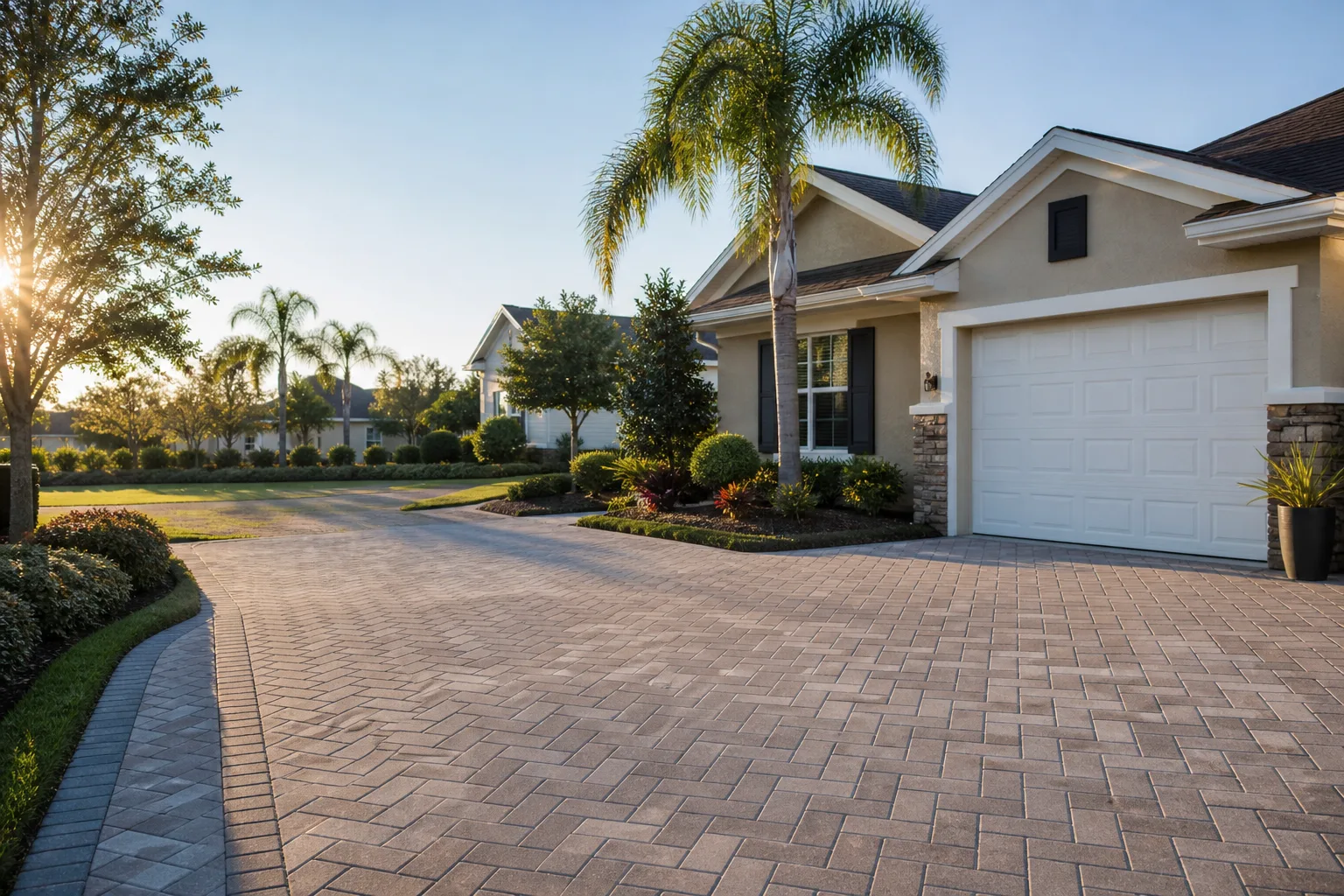
A Carrollton driveway that looked flawless in spring can show joint separation and low spots by September. Not because of poor installation, but because most homeowners skip the two annual tasks that account for 80% of paver longevity in expansive-soil regions. North Texas heat cycling and clay-soil movement work on joints and base layers beneath the surface, and by the time that movement shows up as a wobble or a widening gap, the cheap fix window has already closed. This guide gives you a season-by-season checklist calibrated to Carrollton conditions, tells you how to tell joint sand loss from base failure, and draws a clear line between the maintenance you can handle and the work that needs a professional hand.
Quick Answer
Pavers in Carrollton need two maintenance passes a year: a spring inspection and joint sand top-off before heat sets in, and a fall reseal or re-sanding before cooler, wetter weather arrives. Replace joint sand when it sits more than about a quarter inch below the paver surface, and reseal roughly every two to three years depending on traffic and sun exposure. Anything that involves a soft or sinking base, cracked pavers, or pooling water needs a professional assessment before you spend money on surface fixes.
Styles & brands we work with
- Kitchen remodeling
- Bathroom remodeling
- Home additions & ADU
- Roofing
- Windows & doors
- Driveway & pavers
- Fence
Table of Contents
- Why Pavers Behave Differently in North Texas
- Spring Checklist: Inspect Before the Heat
- Summer: The Reseal Window and UV Peak
- Joint Sand Loss vs. Base Layer Failure
- The Polymeric Sand Re-Application Window in Carrollton
- Cleaners That Degrade Paver Sealer
- When DIY Maintenance Helps and When It Hurts
- Fall Checklist: Before the Wet Season
Why Pavers Behave Differently in North Texas
Paver performance gets talked about as if climate were a footnote. In Carrollton it’s the main event. The clay-heavy soils under much of the Dallas-Fort Worth metroplex expand when they take on water and contract as they dry, and North Texas swings between both states repeatedly through the year. That movement happens slowly, a fraction of an inch at a time, but it works on the joint sand and the bedding layer under your pavers every season. A driveway built over properly compacted, well-drained base holds up because the base absorbs and spreads that movement. A driveway with thin base, poor drainage, or joints that have washed out has nothing to absorb it.
The heat side matters just as much. Afternoon temperatures in Carrollton climb high enough for long enough that sealers cure fast and joint sand dries brittle. UV exposure breaks down the binder in polymeric sand over time, and that breakdown accelerates when the sand sits proud or thin. Put the two forces together, expansive clay below and heat cycling above, and you get a surface that’s asked to flex at the joints while the material holding those joints together is at its weakest. That’s why paver maintenance here isn’t cosmetic. It’s a structural habit.
There’s a housing angle too. Carrollton has a lot of established neighborhoods where driveways have seen many summers of this, and newer subdivisions where the base work is fresh but the joints are still settling into their first full cycle. Those two situations need different attention. The checklist below works for both, but read the joint-versus-base section carefully if your driveway is more than a decade old.
Spring Checklist: Inspect Before the Heat
March and April are the most useful inspection months in Carrollton. The ground has taken on its wet-season moisture, you can see where water pools, and the summer heat hasn’t yet hardened the joints. Walk the driveway slowly and work through this list:
- Walk every edge. Look for pavers that rock underfoot or sit lower than their neighbors. A single rocking paver near a garage apron or the street cut often signals a small base issue starting.
- Check joint depth in three places. Pick a high-traffic strip, a shaded strip, and a strip in full sun. If the sand sits more than a quarter inch below the surface, it needs topping off.
- Look for weeds in the joints. Weeds are a symptom, not the problem. They grow where sand has washed out and left a gap.
- Watch where water goes after rain. Any puddle that lingers more than a day is telling you the surface has lost its fall toward the street or a drain.
- Scan for cracked or chipped pavers. Note whether the crack runs through the paver itself or follows a joint. Joint-line cracks are usually movement; paver cracks are usually point loads.
- Check the transition strips. Where the driveway meets the sidewalk, garage slab, or street, the joint material there takes the most stress and often fails first.
- Look at the sealer. Water should bead. If it soaks in within a minute, the sealer is due for renewal.
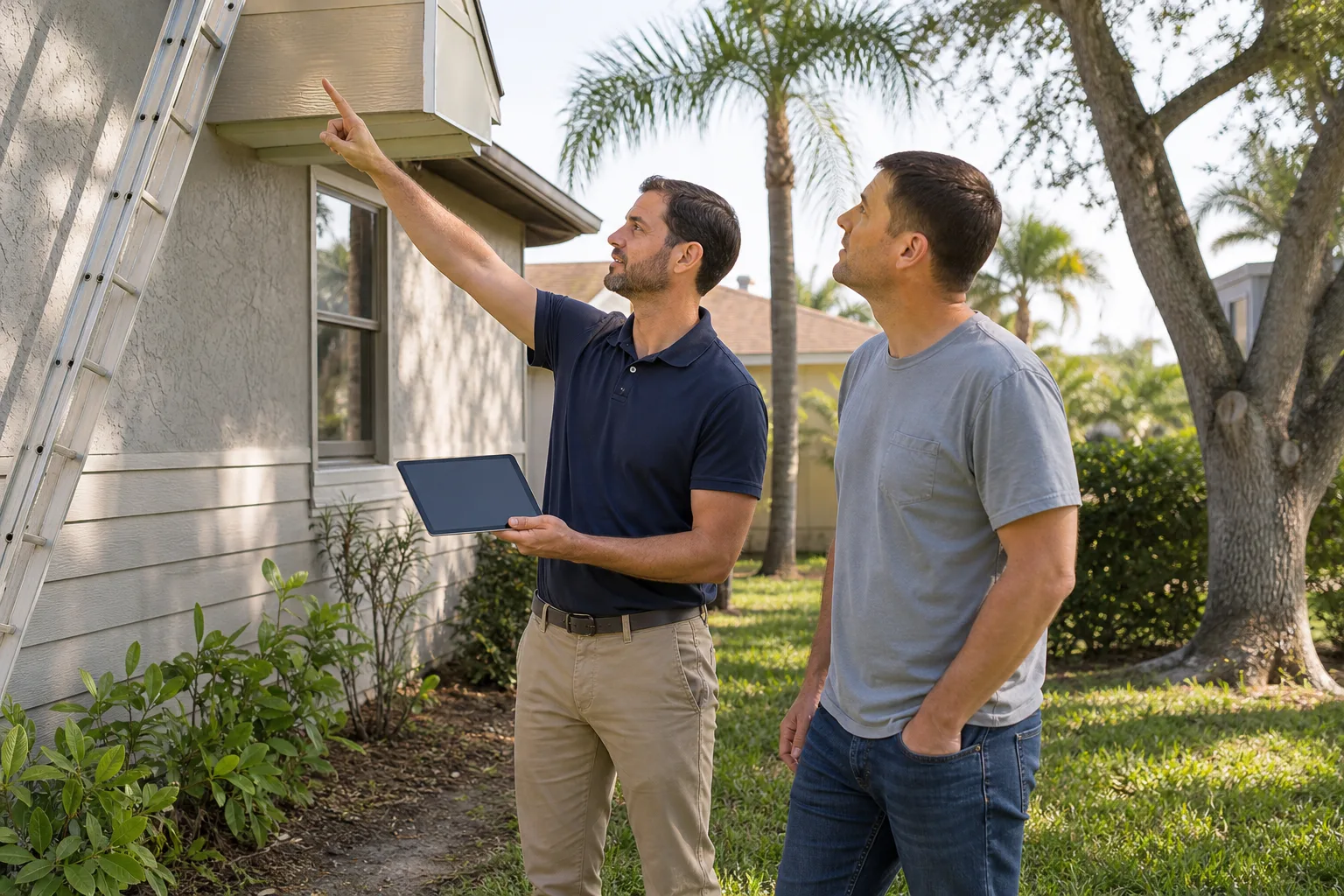
Write down what you find. A short list from March saves you guessing in July. If you’d rather have a trained eye read the surface, our driveway & pavers team can walk the property and tell you what’s maintenance and what’s repair. Our technicians have up to 14 years of experience reading exactly this kind of North Texas wear.
Summer: The Reseal Window and UV Peak
Sealer timing in Carrollton is less forgiving than most guides suggest. The ideal window sits between late spring and early summer, when daytime temperatures are warm enough for a sealer to cure properly but before the UV peak bakes the surface and dries the joint sand. If you reseal too early in a cool snap, the product cures slowly and can trap moisture. If you wait until the hottest stretch of July and August, the sealer flashes off before it penetrates, and you get a film that peels within a season.
Here’s what the reseal step actually involves, so you know what you’re paying for:
- Cleaning first, always. Sealer over dirt, algae, or old failing sealer locks the problem in. A proper clean removes organic growth, efflorescence, and loose sand.
- Joint sand check. Sand goes in before sealer, not after. Sealing over low joints just glues the top edge of what’s left.
- Product choice by paver type. Concrete pavers from a professional-grade system like Belgard, Unilock, Techo-Bloc, or Cambridge Pavers behave differently than clay brick. A penetrating sealer works best on dense surfaces; a film-forming sealer adds a sheen but needs more careful reapplication.
- Cure time. Keep traffic and water off the surface for the full cure window the product specifies. Rain on a half-cured sealer in Carrollton’s spring pattern means a redo.
Most driveways here land on a two-to-three-year reseal cycle. High-sun, high-traffic driveways skew toward two years. Shaded driveways with light use can stretch to three. Test with water instead of trusting the calendar, and reseal in that early-summer window rather than mid-August.
Joint Sand Loss vs. Base Layer Failure
This is the distinction that decides whether your repair costs a few hundred dollars or several thousand, and it’s the one most homeowners miss. Both problems show up as loose pavers, wobbly edges, or water pooling. They look similar from standing height. They’re not the same thing.
Joint sand loss is a surface problem. The sand between pavers has washed out, blown out, or broken down, so the pavers lose the lateral support that keeps them locked together. Signs:
- Joints are visibly empty or recessed below the surface
- Individual pavers rock slightly but sit level with their neighbors
- Weeds appear in lines along joint runs
- Water drains away normally; puddles clear within hours
- The problem is widespread and even across the surface
Base layer failure is a structural problem under the surface. The compacted bedding or base has settled, washed out, or been undermined by poor drainage or root intrusion. Signs:
- A dip or bowl where water pools and stays
- Pavers that sink in a cluster or along an edge, not one at a time
- A visible step or lip at the transition to the garage or sidewalk
- Cracks that run across multiple pavers in a line
- The problem is concentrated in one area
If it’s joint sand, re-sanding fixes it and you can often handle the top-off yourself. If it’s base, adding sand or sealer makes it worse: you’re dressing a surface that has nothing solid under it. A base repair means lifting the affected pavers, re-compacting the base, correcting the drainage fall, and re-setting the surface. That’s professional work. Expect a written line-item estimate before you commit to anything, and walk away from a quote that proposes sealing over a sunken section.
The Polymeric Sand Re-Application Window in Carrollton
Polymeric sand is the standard joint material for professional paver installs, and it’s where timing matters most. The product needs water to activate and cure, but it also needs the surface to stay dry until activation, then stay free of heavy rain through the cure. In Carrollton’s climate, that window is tight. Spring rains arrive unpredictably, and summer storms can dump an inch in an afternoon.
The reliable application window here runs from mid-spring into early summer, ahead of the peak storm pattern and ahead of the heaviest UV. Applying in late summer or fall invites a wash-out: the sand activates only partially, the first real rain scours it out of the joints, and you’ve spent the money twice. Applying in the middle of a wet spring gives you the same outcome.
What a correct polymeric sand re-application looks like:
- Clean the joints down to a stable depth, removing old broken sand and any weeds or roots.
- Dry the surface completely. Wet joints prevent the new sand from bonding.
- Sweep the sand into the joints, compact it, and top off any joints that settle.
- Brush the surface clean so no sand film remains.
- Activate with a controlled water application, avoiding over-saturation.
- Leave the surface alone through the full cure window. No traffic, no water, no leaf blowing.
Skip the compaction or the controlled activation and the product washes out in the first storm. That’s the single most common failure we see on Carrollton driveways where the homeowner tried the big-box approach on a Saturday afternoon. The product isn’t the problem. The method is.
Cleaners That Degrade Paver Sealer
Most pressure-washing guides stop at “use a gentle cleaner.” That’s not specific enough to protect your sealer. Several common driveway cleaners break down the sealer film or the polymeric binder, and the damage usually isn’t visible until a season later when the surface starts looking patchy.
Cleaners to avoid on sealed pavers:
- Bleach-based products. Sodium hypochlorite strips sealer and can bleach the color out of concrete pavers, especially in the darker charcoal and red tones popular in Carrollton neighborhoods.
- Muriatic acid. This is a masonry cleaner, not a paver maintenance product. It etches concrete paver surfaces and destroys polymeric sand almost on contact.
- High-alkaline degreasers. Products formulated for oil stains on bare concrete will attack the sealer binder and leave streaks.
- Solvent-based oil removers. These can dissolve a film-forming sealer and drive the oil deeper into the paver.
- Vinegar and citrus concentrates. Fine on grout indoors, hard on paver sealer over repeated use. The acidity gradually dulls the finish.
What actually works: a pH-neutral paver cleaner, a low-pressure rinse, and a stiff brush for organic growth. A dedicated efflorescence remover is appropriate for white mineral haze and nothing else. Pressure washers have a place, but keep the wand at a wide fan and moderate pressure, and never hold it close to a joint. Direct high pressure blows out the polymeric sand, and the streak you create becomes a channel that water follows on the next storm. That accelerates joint loss in a narrow line, which is harder to fix than an even top-off.
When DIY Maintenance Helps and When It Hurts
We get asked this often enough to answer it plainly. There is real maintenance you can handle, and there is work that will cost you more if you attempt it. Here’s the straight line.
DIY that genuinely extends driveway life:
- Sweeping debris and leaf litter off the surface, especially before rain
- Spot-pulling weeds and refilling the joint with matching joint sand
- Re-sanding small top-off areas with a quality joint sand when the surface is dry
- Low-pressure washing with a pH-neutral cleaner
- Moving heavy planters and seasonal items rather than dragging them across the surface
- Clearing the driveway’s drainage path so water doesn’t sit against the edge
DIY that accelerates damage:
- Applying polymeric sand without compacting or controlling the water activation
- Re-sealing over a sunken or rocking section
- Pressure-washing close to the joints
- Using acid or bleach-based cleaners on sealed surfaces
- Adding sand to fill a dip instead of fixing the base under it
- Lifting pavers to investigate a low spot without a plan for re-setting them level and re-compacting
The boundary is simple: anything at the surface, you can handle with care. Anything that involves the base, the drainage fall, or re-setting pavers, hand it to a professional. The work is skilled and specific, and the wrong fix costs more than the right one. If your broader exterior is due for attention at the same time, pairing a driveway refresh with fence installation keeps the whole property on one schedule.
Fall Checklist: Before the Wet Season
November is when you prepare a Carrollton driveway for the wetter, cooler stretch ahead. Winters here are mild, but the moisture pattern shifts and the ground takes on more water. The goal in fall is to make sure the joints are full, the drainage is working, and the surface is sealed against the seasonal rain.
- Re-inspect the joints. Summer traffic and UV have likely opened the sand up in high-traffic strips. Top off any joint sitting below surface level.
- Confirm drainage is clear. Check that the fall toward the street is intact, and clear leaves and debris from the low edge of the driveway where water exits.
- Look at the sealant condition. Water beading test again. If the surface absorbs, plan a reseal for the next spring window rather than rushing it in cool weather.
- Clean up organic growth. Shaded areas on Carrollton driveways can grow algae and moss over the humid stretch. A pH-neutral wash and a stiff brush handles it.
- Check the transition joints again. The drive meets the sidewalk, street, and garage slab in three places. Those are where the fall’s moisture first finds a weak spot.
- Note anything that needs a professional look so you can get a free estimate over the cooler months and schedule the repair at a sensible time.
If your home is on a phased plan and you’re considering an home additions & ADU project, fall is a sensible time to get the driveway scope sorted alongside the broader site plan. The same vetted material portfolio that covers paver systems carries into the rest of the exterior, so the finished property reads as one project instead of three.
Common Mistakes to Avoid
- Resealing over a failing base. Sealer on a sunken driveway traps water against the sub-base and makes the dip worse. Fix the base first, then seal.
- Applying polymeric sand in the wrong window. In Carrollton, mid-spring to early summer is the reliable stretch. Fall applications often wash out with the first heavy rain.
- Using the pressure washer on the joints. Direct high pressure blows out the polymeric sand and creates a channel that accelerates joint loss on the next storm.
- Bleach-based cleaners on colored pavers. Sodium hypochlorite strips sealer and bleaches the surface, and the color loss isn’t reversible.
- Adding sand to fill a dip. Filling a dip with sand hides the symptom and leaves the base uncompacted. It usually comes back within a season.
- Ignoring the transition joints. Where the driveway meets the garage, sidewalk, and street takes the most stress in any Carrollton driveway. Most homeowners never look.
- Trusting the calendar over the surface. Two-year reseal cycles are typical, but water absorption tells you what your driveway actually needs. Test, then decide.
See the difference
 Before
 After
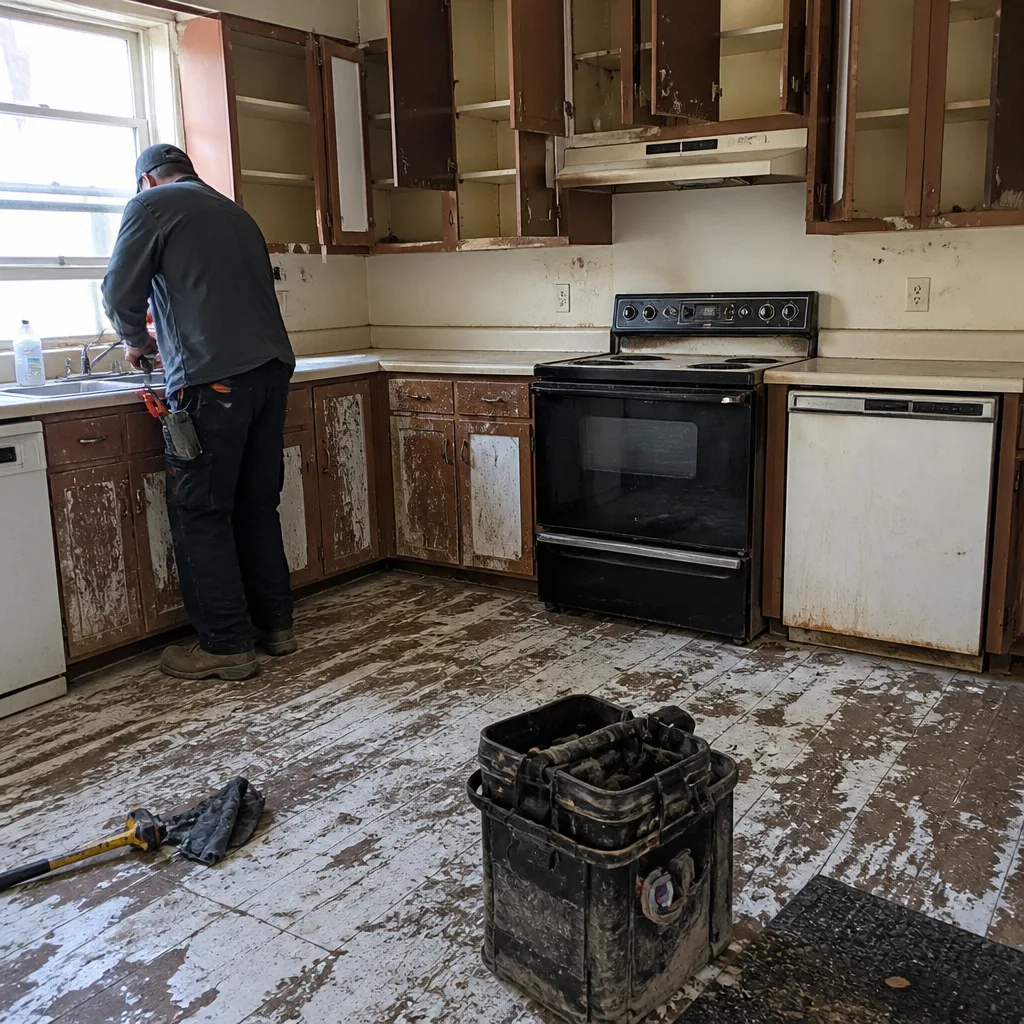 Before
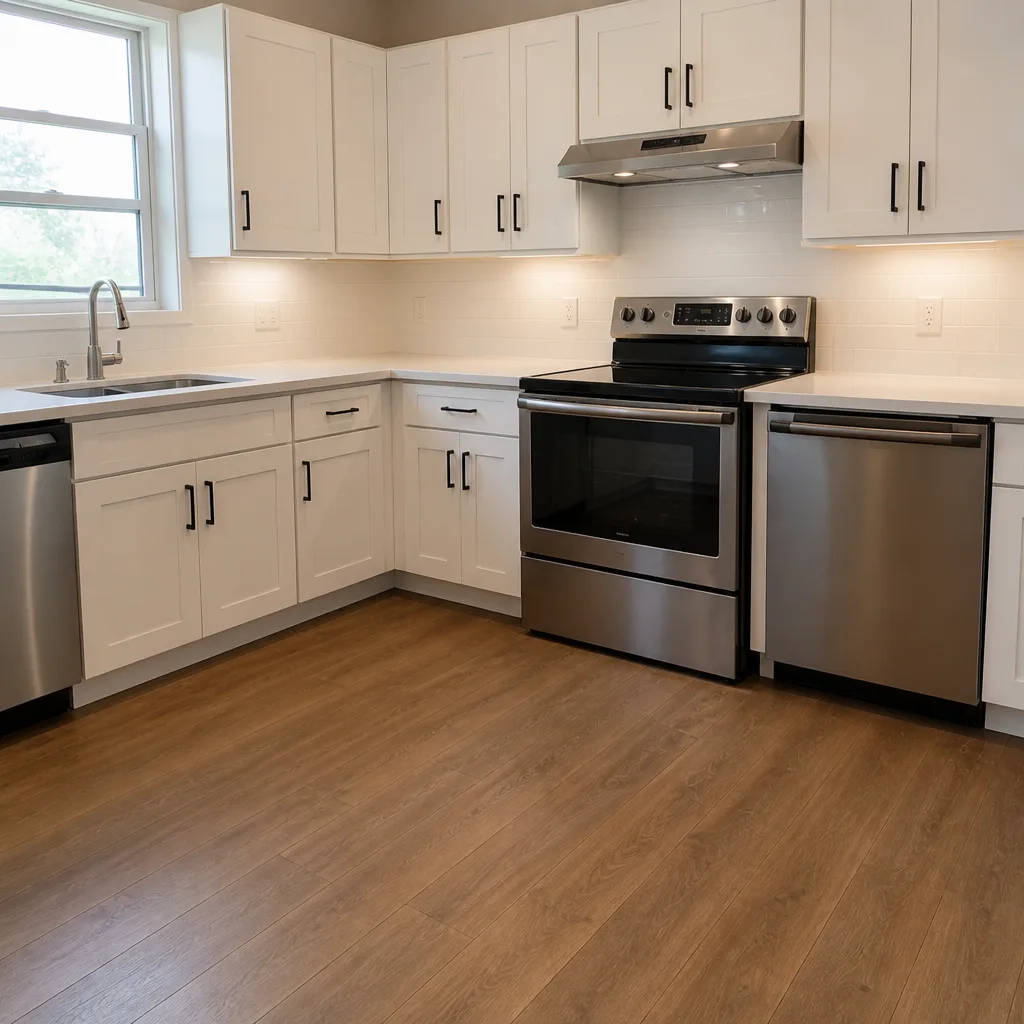 After
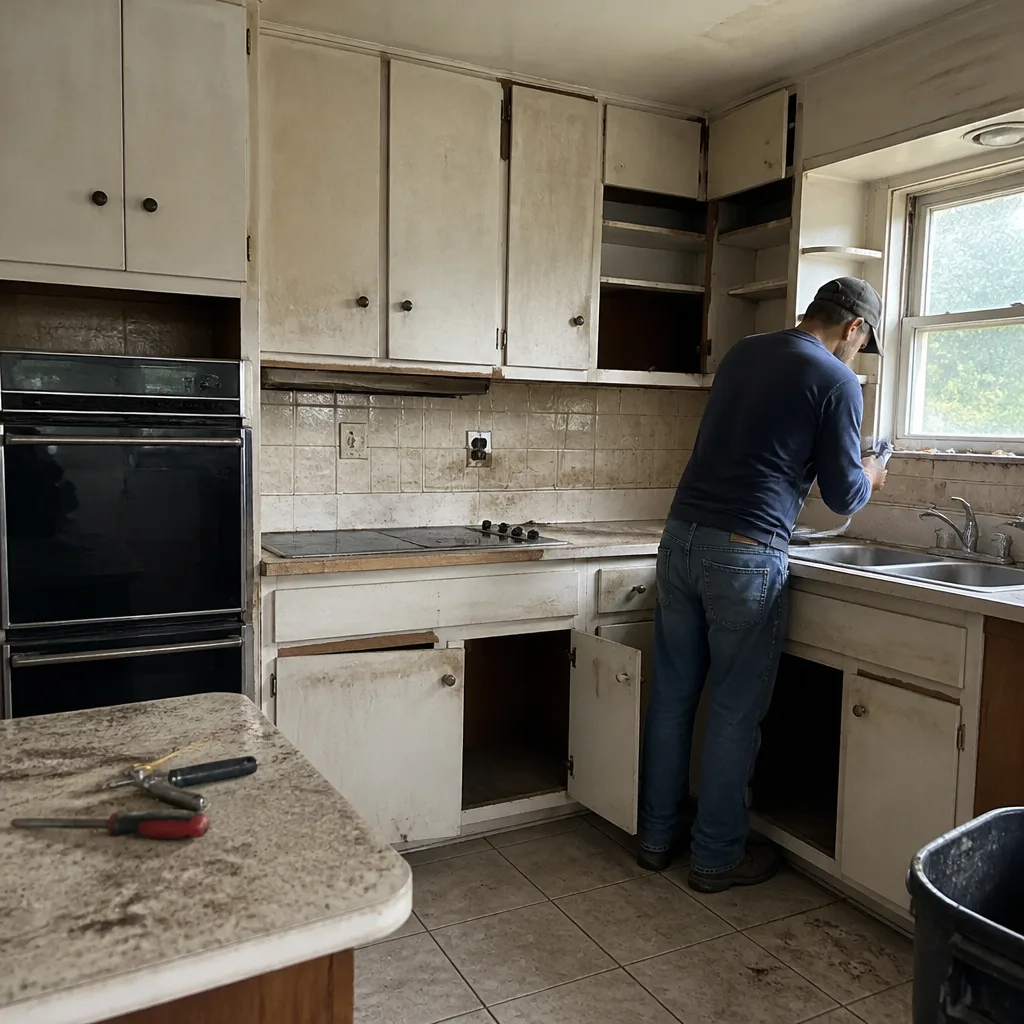 Before
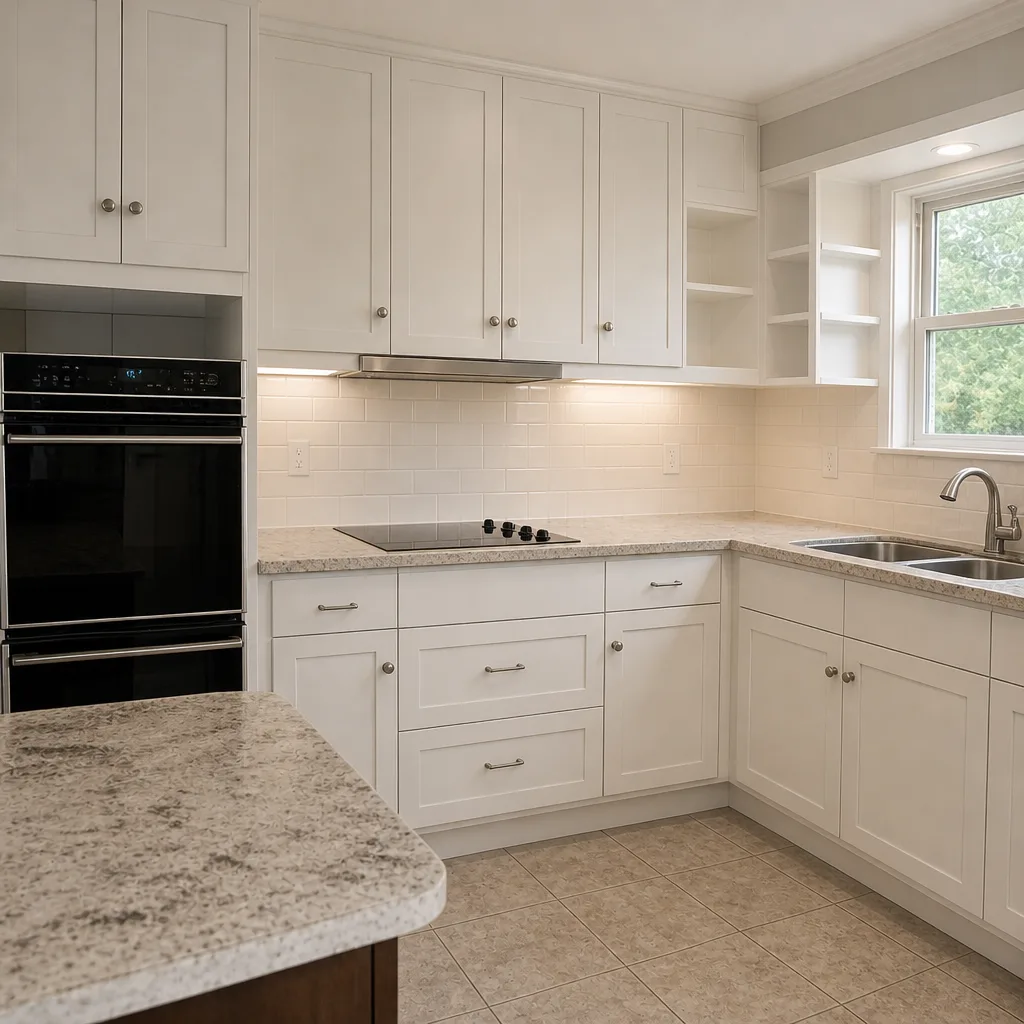 After
When to Call a Professional
Call a professional when the problem is structural or when timing matters and you don’t want to redo the work. Specific cases: a sunken section of multiple pavers, a puddle that lingers more than a day after rain, a visible step at the driveway-to-garage transition, cracks running across multiple pavers, or a sealer job that has failed within a season. Also call when it’s polymeric sand time and you want the joint work done correctly the first time, because the application method matters more than the product.
Our team works with professional-grade paver systems from Belgard, Unilock, Techo-Bloc, and Cambridge Pavers, and we give a written line-item quote before any work starts. Construction Carrollton offers free estimates in Carrollton. Call (888) 584-9525 to schedule yours. We answer 24/7. Fast dispatch from 7am to 7pm, Sunday through Friday.
For a broader look at what we handle as a single-source team, our construction Carrollton page covers all seven service lines, from paver systems to roofing. Our technicians have up to 14 years of experience across the exterior and interior work, and we’ll walk you through the material options rather than steer you toward whatever’s in stock.
Frequently Asked Questions
Every two to three years is typical for a Carrollton driveway. High-traffic, full-sun driveways lean toward two years; shaded, lightly used driveways can stretch to three. Test with a cup of water: if it beads, the sealer is still working. If it soaks in within a minute, it’s due. Get a free estimate if you’d rather have the surface assessed before scheduling a reseal. Call (888) 584-9525. We answer 24/7.
Mid-spring to early summer is the reliable window here, ahead of the peak storm pattern and before the heaviest UV. Fall applications often wash out with the first big rain because the product activates only partially and the joints never fully cure. If you’ve tried a fall application and it didn’t hold, a professional re-application in the right window will last. Call (888) 584-9525 for a free estimate.
Yes, with limits. Use a wide fan tip, moderate pressure, and a pH-neutral paver cleaner, and keep the wand away from the joints. Direct high pressure on a joint blows out the polymeric sand and creates a channel that gets worse with each storm. Avoid bleach, muriatic acid, and high-alkaline degreasers entirely on sealed surfaces. If the surface is discolored and you’re not sure why, a professional wash costs less than a reseal after a bad one. Call (888) 584-9525 for a free estimate.
Joint sand loss is widespread and even, with joints sitting low and individual pavers rocking slightly but level. Base failure is concentrated in one area, with a dip that pools water, a visible step at a transition, or a cluster of sunken pavers. If it’s base, re-sanding makes it worse. A written line-item estimate after an on-site look is the fastest way to know which problem you have. Call (888) 584-9525. We answer 24/7. Fast dispatch from 7am to 7pm, Sunday through Friday.
Yes. Empty joints remove the lateral support that holds pavers locked together, and once a paver loses that support, it starts rocking under load. The rocking opens the joint wider, and the cycle accelerates. Topping off low joints costs far less than re-setting pavers after the surface has spread. If your joints are more than a quarter inch below the surface, address it in the next maintenance window. Call (888) 584-9525 for a free estimate.
No. Fresh pavers need to settle before sealing, typically a full season of heat and moisture cycling. Sealing too early traps residual moisture and can leave a cloudy film. New driveways in Carrollton should get their first full spring inspection and joint sand check before any sealer goes down. If you want an expert read on the timing for your surface, call (888) 584-9525. We answer 24/7.
The Bottom Line
Paver maintenance in Carrollton comes down to two annual passes and one clear-eyed distinction. Inspect in spring, top off joint sand before the heat sets in, reseal in the early-summer window, and do a second inspection in fall before the wet season. Learn to tell joint sand loss from base failure: the first you can handle at the surface, the second needs professional work before you spend money on sealer. Watch your cleaners, respect the polymeric sand timing, and don’t reseal over a dip. Do those and a professional-grade paver system will hold up for the long haul. Skip them and you’ll spend the savings twice.
If your driveway is showing the wear that comes with North Texas summers, get a free estimate before the small fix becomes a base repair. Call Construction Carrollton at (888) 584-9525. We answer 24/7. Fast dispatch from 7am to 7pm, Sunday through Friday. We’ll walk the surface with you, tell you what’s maintenance and what’s repair, and give you a written line-item quote so the price is set before work starts.
Written by the team at Construction Carrollton.