Last updated November 18, 2026





Free written scope consultation - allowances, timeline, and change-order rules on paper before a single trade is scheduled
Seasonal Construction Care for Carrollton: Year-Round Homeowner’s Guide
Most homeowners in Carrollton treat repairs as a series of surprises. The roof starts leaking, a fence post goes loose, caulk splits along a window frame, and every one of those feels like bad luck. It isn’t. North Texas weather damages homes in a predictable order, and the order repeats every year. Hail arrives in spring, UV and heat expansion hammer the exterior through summer, soil contracts in fall, and occasional hard freezes stress plumbing and trim in winter. When you work in that sequence, most emergency calls never happen. This guide walks through the calendar month by month, tells you which tasks you can handle yourself and which ones need a contractor, and explains why timing matters as much as the work itself. If you live in Carrollton, the schedule below is built around the conditions your house actually faces.
Quick Answer
Seasonal construction care in Carrollton means working with the local weather pattern, not against it: inspect the roof and exterior envelope in late winter and early spring before hail season peaks, address caulk, sealant and paint before June heat sets in, check the foundation perimeter and drainage after summer and again after fall soil contraction, and run a hard freeze protocol on exposed plumbing and exterior faucets whenever a freeze is forecast. Homeowners who follow a calendar prevent most emergency repairs; those who wait for visible damage usually pay for it twice.
Styles & brands we work with
- Kitchen remodeling
- Bathroom remodeling
- Home additions & ADU
- Roofing
- Windows & doors
- Driveway & pavers
- Fence
Table of Contents
- The Carrollton Seasonal Maintenance Calendar at a Glance
- Spring: Hail Season and Pre-Summer Exterior Work
- Foundation Perimeter Inspections: Spring and Fall
- Summer: UV, Heat Expansion, and Why High Summer Is the Wrong Time for Envelope Work
- Fall: Soil Contraction, Drainage, and Hardscape Checkups
- Winter: North Texas Hard Freeze Protocol
- Which Tasks You Can Do Yourself and Which Need a Contractor
- Materials That Hold Up in Carrollton’s Climate
The Carrollton Seasonal Maintenance Calendar at a Glance
Carrollton sits in a climate band where four distinct stressors arrive in a fairly reliable sequence. Spring brings hail and wind-driven rain. Summer delivers sustained UV and heat that expand and dry exterior materials. Fall dries the soil and pulls moisture away from the foundation. Winter, usually mild, throws in occasional hard freezes that catch unprepared plumbing and trim. Here’s how that maps onto a year of work.
- Late February through March: Roof inspection, flashing check, gutter clearing, tree limb trimming away from the roofline.
- March through May: Caulk, sealant and paint on the exterior envelope. Fence post and panel check before storm season. Paver and driveway joint inspection.
- April through June: Hail events happen here. Document any roof or siding damage promptly and get an inspection before summer heat makes repairs harder to schedule.
- June through August: Foundation perimeter checks, drainage review, and monitoring caulk lines that may be degrading under UV. Schedule larger exterior projects rather than starting them in peak heat.
- September through November: Foundation checks again as soil contracts. Drainage and grading review before winter rain. Hardscape joint sand replenishment on paver surfaces.
- December through February: Freeze protocol on exposed plumbing and exterior faucets. Window and door seal inspection. Interior remodel work is often scheduled here since exterior conditions are less predictable.
The calendar above is the backbone of a maintenance plan for any home in Carrollton. It’s not a list of emergencies. It’s a list of prevention, and prevention is where the savings live.
Spring: Hail Season and Pre-Summer Exterior Work
Spring in Carrollton is the single most important window in the year. Hail season peaks between roughly late March and June, and wind-driven rain follows every storm. The exterior work you do before that window closes determines how much water gets in and how much doesn’t.
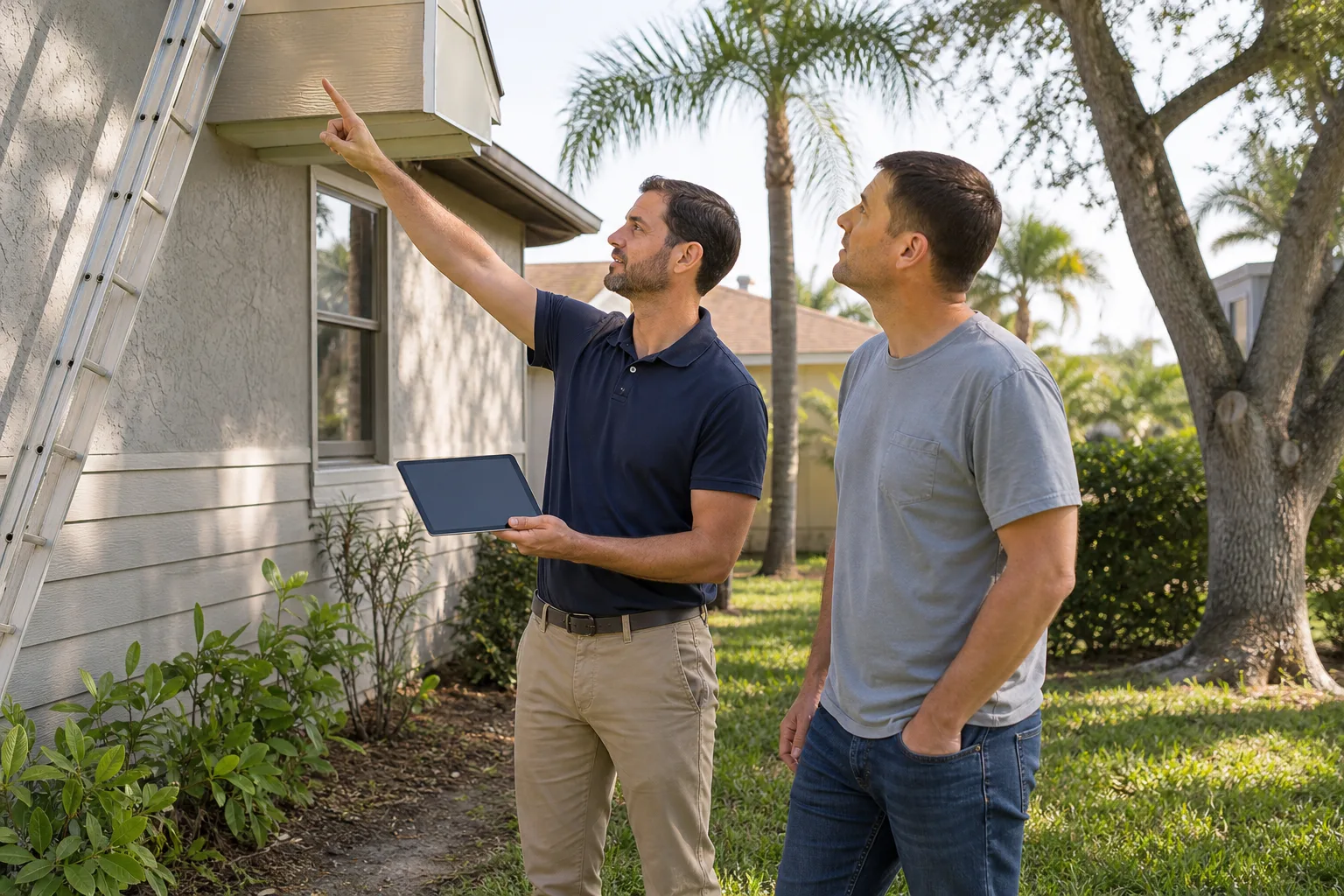
Start with the roof. You don’t need a ladder to do a useful inspection. From the ground, look for lifted or missing shingles, granule loss in gutters, dented metal vents, and dark streaks that suggest water tracking. If your roof is a GAF, CertainTeed, or Owens Corning system, those manufacturer warranties often depend on installation standards and documented maintenance, so a quick record of what you see is worth keeping.
Then move to the envelope:
- Check caulk lines around windows, doors, corner trim and penetrations. Spring is the right time to cut out failing caulk and replace it, because the surface is dry and the temperature is workable.
- Look at flashing at the chimney, wall-to-roof transitions, and around vent pipes. Flashing failures are a leading source of interior water damage after spring storms.
- Clear gutters and check that downspouts discharge away from the foundation slab, not against it.
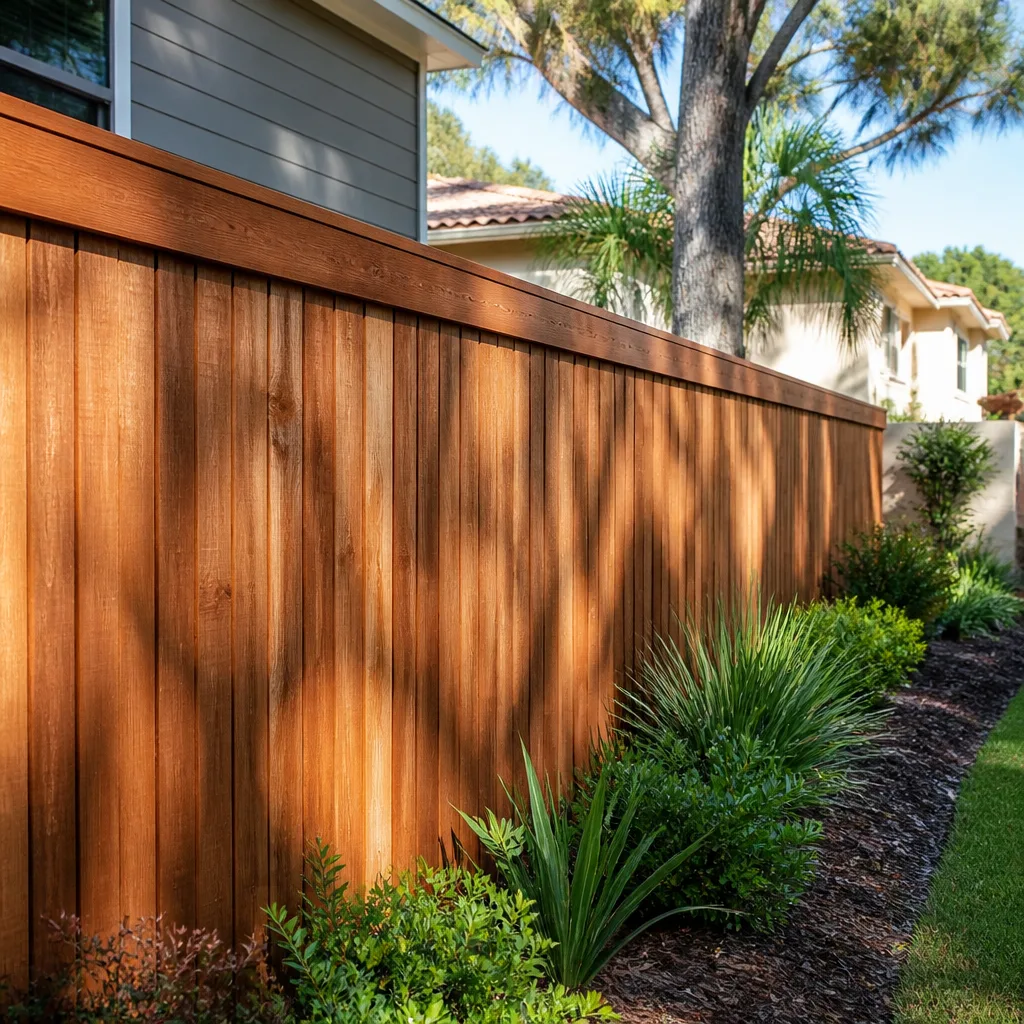
- Walk the fence line. Loose posts and lifted panels are easier to address before a wind event turns a small fix into a full replacement. If your fence is nearing the end of its life, fence installation with proper post depth and quality hardware pays back in storm season.
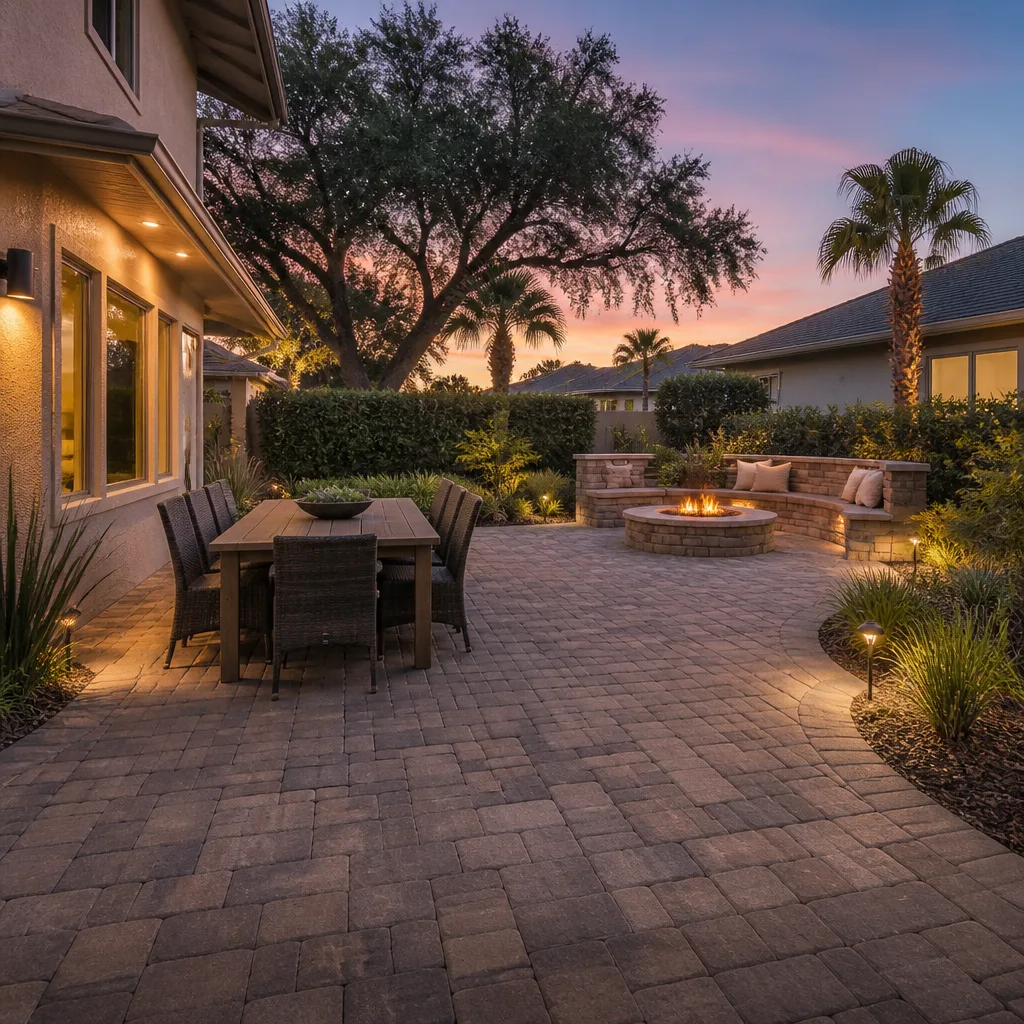
- Inspect your driveway and paver surfaces. Spring is a good time to replenish joint sand and check for settling.
Our technicians have up to 14 years of experience, and the most common pattern we see is homeowners catching roof and envelope issues a season too late. Spring fixes are cheap. Summer storm damage repairs are not.
Foundation Perimeter Inspections: Spring and Fall
Carrollton’s clay-heavy soils swell when wet and shrink when dry. That cycle is the single biggest driver of foundation movement in North Texas homes, and it plays out in two windows: spring after wet weather, and fall after the soil dries and contracts. Both windows are the right time to walk the perimeter.
Here’s what to look for:
- Hairline cracks in brick or stucco at corners and around window openings. Thin vertical cracks are common; stair-step or widening cracks deserve attention.
- Doors and windows that stick in one season and free up in another. That pattern is a foundation signal.
- Gaps at the sill plate where the framing meets the slab, or visible separation between the slab and exterior finishes.
- Uneven floors or sloping thresholds, especially near the perimeter of the home.
- Pooling water or dry, cracked soil in a band within a few feet of the foundation. Both indicate moisture imbalance.
Do not try to fix foundation movement yourself. It’s not a homeowner repair, and a wrong intervention can make things worse. What you can do is document what you see with photos and dates, keep soil moisture even around the perimeter in dry months, and get a professional opinion if the pattern is progressing. If foundation concerns come up while you’re planning an addition, those need to be addressed before any home additions & ADU work begins, because everything above the slab depends on what’s under it.
Fall is the second checkpoint. Repeat the same inspection, note any changes since spring, and address drainage so winter rain drains away from the home rather than into the soil next to it.
Summer: UV, Heat Expansion, and Why High Summer Is the Wrong Time for Envelope Work
Carrollton summers push the UV index into the high range for weeks at a time. That does two things to a home: it degrades caulk, paint, and sealant faster than most homeowners expect, and it expands exterior materials so joints close up in the heat and open up again in cooler weather. Both effects argue for doing envelope work before the heat sets in, not during it.
Here’s the practical problem with summer work:
- Caulk and sealant cure poorly in high heat. Application on hot surfaces leads to adhesion failure, which is exactly the failure you were trying to prevent.
- Paint flashes and dries too fast on exteriors above a certain temperature, leaving lap marks and weak film.
- Roof work in peak heat is a safety and quality issue. Crews move slower, and shingles can seal improperly if installed at the wrong temperature.
- Material expansion means measurements taken in high summer may not hold when the material contracts in fall.
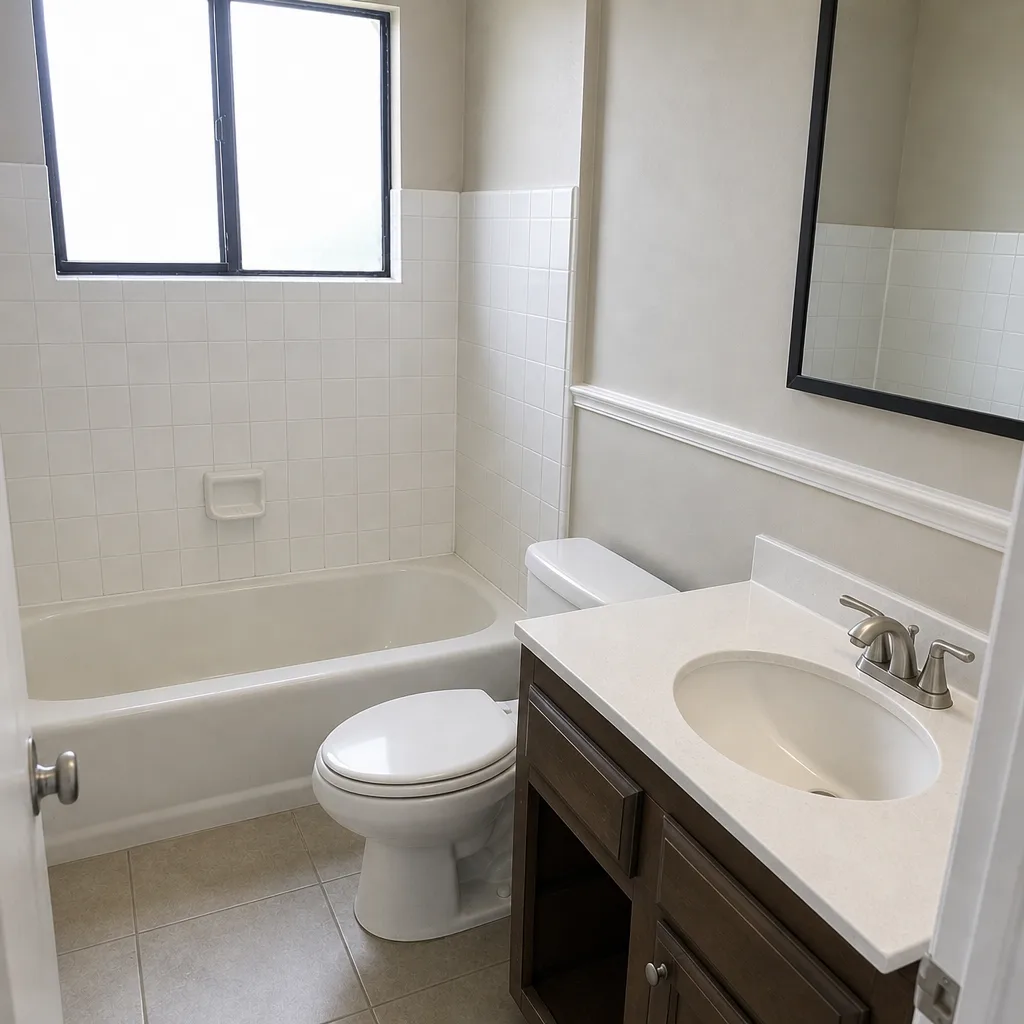
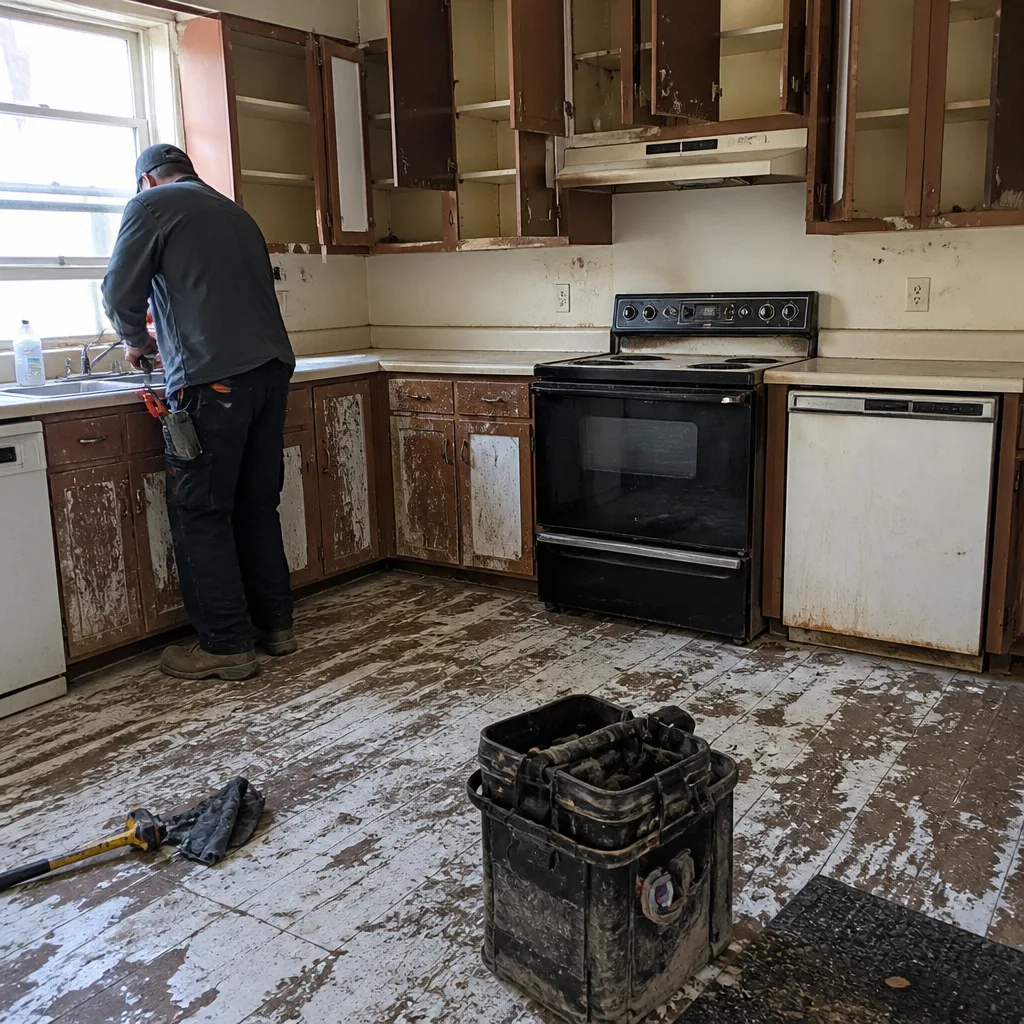
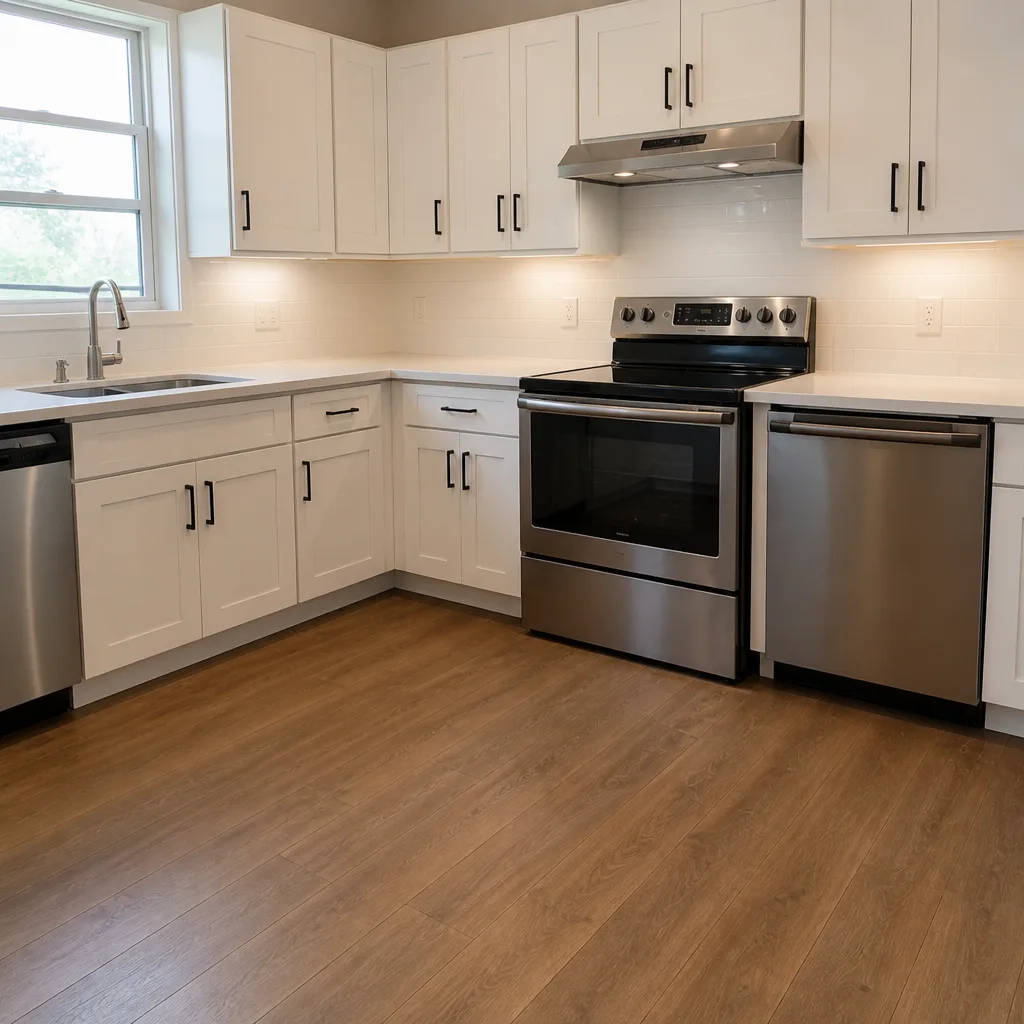
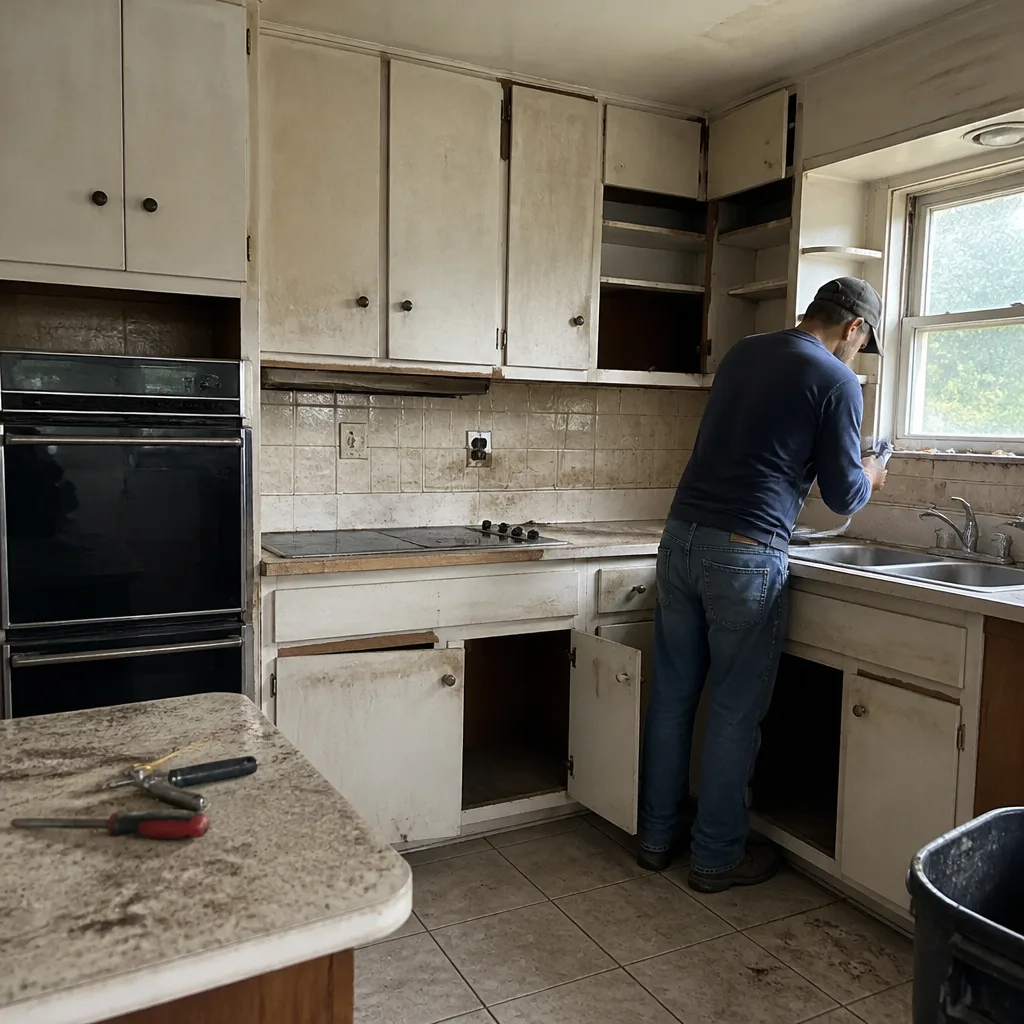
What summer is good for: inspections, documentation, and interior work. If you’re planning a kitchen or bath remodel, summer is a smart time to get it done while exterior conditions settle down. Material selections from premium lines like Cambria, Caesarstone, and Silestone, or cabinetry from KraftMaid and Wellborn, can be chosen and ordered without battling the heat. If you’re planning a full home transformation, one contractor handling interior and exterior phases keeps the timeline sane. That’s the model behind Construction Carrollton, where the interior remodel and the exterior envelope work share the same schedule.
Use summer for evaluation, not application. The exterior work belongs in spring and fall.
Fall: Soil Contraction, Drainage, and Hardscape Checkups
Fall is the second-best working window of the year after spring, and it’s the time to close out the exterior before winter weather arrives. The soil dries and contracts, drainage systems reveal their failures, and paver surfaces show their wear.
Start with drainage. Walk the perimeter after a rain and watch where water goes. It should move away from the foundation, not pool against it. Check gutters, downspout extensions, and grading. If your yard slopes back toward the house, a small regrade often prevents a much larger repair later.
Then check hardscape. Paver driveways and patios lose joint sand over time, and fall is the right season to replenish it. Professional-grade paver systems from Techo-Bloc, Cambridge Pavers, Belgard and Unilock are built to last decades, but they still need joint maintenance and a check for settling or lifted units. If your driveway is at the end of its life, a new install in the cooler months is easier on both crews and materials. Our driveway & pavers work runs year-round, but fall installs avoid the joint-sand timing issues that come with high summer.
Fall is also the time to inspect windows and doors for seal failure, condensation between panes, and weatherstripping wear. Small failures now become drafts in winter. If you’re replacing a window or door, impact-rated and energy-efficient products from PGT, CGI, ECO Window Systems, and Therma-Tru perform better when installed during moderate weather so the sealant cures correctly.
Winter: North Texas Hard Freeze Protocol
Carrollton winters are mild most years, which is exactly why an occasional hard freeze catches homes off guard. Pipes in exterior walls, hose bibs, and uninsulated garage walls are the usual casualties. A hard freeze protocol is simple, and it happens before the freeze arrives, not during it.
- Disconnect garden hoses and cover exterior faucets. A hose left connected holds water in the pipe, which is where the freeze damage happens.
- Close foundation and crawl space vents if your home has them, and protect any exposed plumbing in the garage with insulation, especially on exterior walls.
- Locate your main water shutoff before you need it. Every adult in the household should know where it is.
- Drip interior faucets during hard freezes on exterior walls. Moving water is much less likely to freeze.
- Open cabinet doors under sinks on exterior walls to let warm air reach the pipes.
- If you travel during a freeze forecast, shut off the main water supply and drain the system before you go.
Winter is also the season to look at trim, siding and window seals for gaps that let cold air in. James Hardie fiber-cement siding and trim, when installed to spec, handles the swing from mild fall to hard freeze better than standard wood products. Fix the small gaps now and you won’t be chasing them in spring.
Which Tasks You Can Do Yourself and Which Need a Contractor
Not every maintenance task needs a call. Some are genuinely homeowner work, and doing them yourself is a reasonable choice. The problem comes when homeowners treat a skill task as a homeowner task and turn a small problem into a much larger one.
Safe to handle yourself
- Clearing gutters from the ground with an extension tool and checking downspout discharge.
- Replacing joint sand in paver surfaces (following the manufacturer’s instructions for your specific paver type).
- Fresh caulk on accessible, low-level window and door lines once the surface is cleaned and dry.
- Documenting cracks, staining, lifting, or seal failures with dated photos.
- Disconnecting hoses, covering exterior faucets, and opening cabinet doors during a freeze.
Where the risk goes up
- Roof work at height. Falls are the leading cause of serious injury in residential construction. Roof inspections, repairs, and replacement belong with a trained professional.
- Flashing and envelope repairs. Incorrect flashing creates water intrusion that shows up months later.
- Foundation diagnostics and repair. No homeowner should attempt this. It requires engineering input and specialized equipment.
- Electrical, plumbing, and gas line work. These are dangerous and usually require a licensed trade and a permit. We don’t recommend homeowner work here under any circumstance.
- Window and door replacement. Proper flashing, sealing, and energy performance depend on installation standards. Code compliance is not optional.
- Tree trimming near the roofline or power lines. Hire an arborist if a limb overhangs your roof or any utility line.
The honest split is this: if a mistake could put you on a ladder above ten feet, involve water or electricity, or move a structural load, call a professional. Everything else is fair game if you’re comfortable with it.
Materials That Hold Up in Carrollton’s Climate
The right material installed the wrong way is a problem; the wrong material installed perfectly is still the wrong material. Carrollton’s combination of hail, UV, and freeze events narrows the field of what actually performs over a decade.
For roofing, the shingle systems that stand up best are Class A rated, and GAF, CertainTeed, and Owens Corning all offer sistemas built for hail and UV exposure. For siding and trim, James Hardie fiber-cement is the industry benchmark because it holds paint and resists moisture swing. For windows and doors, impact-rated and energy-efficient products from PGT, CGI, ECO Window Systems, and Therma-Tru meet code and perform through hail and heat. For kitchens and baths, fixtures from Kohler, Moen, Grohe, Toto, and American Standard are what most homeowners actually want installed. For fencing, commercial-grade systems from Master Halco, Ameristar, and Jerith are specified on high-security installs for a reason.
One contractor, every project phase, from the driveway to the roofline. If you’re weighing a full exterior refresh, we’ll walk you through the material options so the choices match both your home and your timeline. Our team works with 50+ vetted material brands across all seven service lines, which means you’re choosing from real options rather than what happens to be in stock.
Common Mistakes to Avoid
- Treating maintenance as an emergency response. Waiting for visible damage means paying to repair instead of prevent. The calendar works precisely because it’s ahead of the damage.
- Scheduling exterior work in July and August. High heat compromises caulk, paint, and shingle installation. Spring and fall are the working windows.
- Skipping foundation perimeter checks after a wet spring or dry fall. Those are the two windows when shrink-swell damage reveals itself, and early catches are far cheaper.
- Hiring the cheapest bid without checking material specs. A quote that doesn’t name the shingle line, the paver manufacturer, or the caulk type is a quote that’s leaving the decision to whoever shows up.
- Installing commodity concrete pavers on a North Texas driveway. The freeze and heat swings punish them. Techo-Bloc, Cambridge Pavers, and similar professional systems are built for this climate.
- Letting a hose stay connected through a hard freeze. It’s the number one cause of exterior faucet and pipe damage in North Texas. Ten seconds of prevention here prevents a much larger repair.
- Assuming a mild winter means no protection needed. Carrollton’s occasional hard freezes are precisely why so many homes get caught out. The protocol is cheap and easy; the plumbing repair is not.
See the difference
 Before
 After
 Before
 After
 Before
 After
When to Call a Professional
Call a professional when the work involves heights, water intrusion, structural load, or trade licensing. That means roof repair or replacement, flashing and envelope failures, foundation evaluation, window and door replacement, and any plumbing or electrical work. It also means any maintenance task where the underlying cause isn’t obvious, since guessing at a water source often leads to the wrong repair and a return visit.
If you’re on the fence about a seasonal task or you want a second opinion before a bigger project, that’s a good moment to talk it through. Construction Carrollton offers free estimates in Carrollton. Call (888) 584-9525. We answer 24/7. Fast dispatch from 7am to 7pm, Sunday through Friday.
Frequently Asked Questions

Spring roof and envelope inspection is the highest-value task on the calendar because it happens right before hail season and summer heat. Catching lifted shingles, failed caulk, and flashing problems in March or April prevents the water intrusion issues that come with spring storms and summer UV. Call (888) 584-9525 for an exact quote if you’d rather not inspect the roof yourself.
High heat and UV compromise caulk cure, paint adhesion, and shingle sealing, and materials expand during peak summer, which affects measurements and fit. Exterior envelope work belongs in spring and fall; summer is better used for inspections, documentation, and interior remodels. If you’re planning exterior work, schedule it before June or after September.
The clearest signs are doors and windows that stick in one season and free in another, stair-step cracks in brick or stucco, visible gaps at the sill plate, and uneven floors near the perimeter. Document what you see with dated photos in spring and fall, since both seasons are when clay soils shift most. Call (888) 584-9525 for an exact quote on a proper evaluation.
It means disconnecting hoses, covering exterior faucets, closing foundation vents, insulating exposed plumbing in the garage, dripping interior faucets on exterior walls during the freeze, opening cabinet doors under sinks, and knowing where the main water shutoff is located. If you’ll be away during a forecast freeze, shut off and drain the system before you leave. Call (888) 584-9525 for an exact quote on any related plumbing-adjacent repair.
You can handle gutter clearing from the ground, joint sand refills on pavers, low-level caulk replacement, and photo documentation. You should not handle roof work at height, foundation diagnostics, flashing repairs, electrical, plumbing, gas, or any installation that depends on code compliance. Call (888) 584-9525 for an exact quote – estimates are free.
No. A free estimate is a written scope with line-item pricing so you can see exactly what the work involves and what it costs before you decide anything. The written estimate sets the price, and the timeline is yours to choose. Call (888) 584-9525 to schedule yours.
The Bottom Line
Carrollton weather doesn’t deliver random damage. It delivers a sequence: spring hail, summer UV and heat expansion, fall soil contraction, winter hard freezes. Homes that follow the calendar handle each stressor before it becomes a repair. Homes that don’t end up chasing the damage after the fact. If you take nothing else from this guide, take the two working windows: exterior work in spring and fall, freezes prepared in winter, and foundation checks twice a year. One contractor, every project phase, from the driveway to the roofline. When you’re ready to look at a roof, a paver driveway, a new fence, an addition, or a full remodel, we’re here to walk you through it. Call (888) 584-9525. We answer 24/7. Fast dispatch from 7am to 7pm, Sunday through Friday.
Written by the team at Construction Carrollton.