Last updated November 18, 2026






Free written scope consultation - allowances, timeline, and change-order rules on paper before a single trade is scheduled
Construction Emergency Preparedness Guide for Carrollton Homes
Most homeowners think of storm prep as a trip to the hardware store for tarps and batteries. The part that actually determines whether you come out of a hail event with a repaired roof or an eighteen-month fight with a contractor who’s already left the state happens long before the first shingle blows off. It happens in the quiet weeks when nothing is wrong: the photos you took, the policy details you wrote down, the contractor you already know. In this guide we walk through what a Carrollton homeowner should have in place before storm season, how to run the first 24 hours after real structural damage, how to spot the door-to-door tactics that follow every major DFW weather event, and how Carrollton’s emergency permitting and clay-soil foundation warning signs actually work. Read it once now, so you’re not reading it in the dark.
Quick Answer
Emergency preparedness for a Carrollton home means three things done in advance: a documented record of your property (photos, video, and a written inventory stored off-site), a clear understanding of your insurance policy’s deductible, coverage limits, and claim deadlines, and an established relationship with a local contractor who can assess damage and pull the right permits before the storm-chaser surge arrives. In the first 24 hours after structural storm damage, your job is to prevent further damage, document everything before anything is moved, and file the claim – in that order. The repair comes after.
Styles & brands we work with
- Kitchen remodeling
- Bathroom remodeling
- Home additions & ADU
- Roofing
- Windows & doors
- Driveway & pavers
- Fence
Table of Contents
- Pre-Event Preparedness Checklist
- The First 24 Hours After Structural Storm Damage
- Anatomy of Storm-Chaser Contractor Fraud in DFW
- Emergency Permitting for Urgent Repairs in Carrollton
- Foundation Indicators After Heavy Rain in Clay-Soil Areas
- Roof and Window Hardening Before the Next Event
- Common Mistakes to Avoid
- When to Call a Professional
Pre-Event Preparedness Checklist
The work that saves you money and headache happens months before the weather turns. Carrollton sits in a part of North Texas that sees hail frequently enough that a serious event isn’t a question of if but when. The homeowners who handle those events well are the ones who already had their documentation, policy details, and contractor relationships locked down.
Here’s what to put in place now, not after the sirens:
- Photograph and video the entire property. Every wall, every roof plane you can safely see from the ground, the fence line, the driveway, the HVAC unit, the interior of every room. Store the files somewhere that isn’t your house – cloud storage or a copy with a family member. A phone full of photos that gets destroyed along with the house is no help.
- Write down your policy details in plain language. Your deductible (storm and hail deductibles are often percentage-based, not flat), your dwelling coverage limit, your contents coverage, and your insurer’s claims phone number. Keep a copy off-site and one in a grab bag.
- Establish a contractor relationship before you need one. You want a name and number you already trust when the door-knockers show up. That relationship is what lets you say “no thanks, I already have someone” without hesitation.
- Know your home’s weak points. Which roof planes face the prevailing storm direction? Is the fence on the north or west side older? Is there a low spot in the yard where water pools toward the slab? These are the areas to check first after an event.
- Keep a small stash of supplies for temporary mitigation. Heavy tarps, roofing nails, a pry bar, work gloves, a camera or charged phone, and a folder with your policy documents. Nothing exotic – the goal is to stop water from getting further in while you wait for professional assessment.
One more item that’s often skipped: contact your insurer before storm season and ask specifically what documentation they’ll want for a hail or wind claim. Every carrier is a little different, and knowing their expectations ahead of time means you capture the right images the first time around.
The First 24 Hours After Structural Storm Damage
The first day after a serious event decides a lot about how the next several months go. The sequence matters: prevent more damage, document before you touch anything, file the claim, then coordinate repair. Homeowners who start clearing debris before they photograph it, or who call a contractor before they call their insurer, often create disputes that could have been avoided.
Here is the specific order we recommend:
- Make the property safe. If there’s structural damage – a sagging roofline, cracked ceiling, compromised wall – stay out of the affected area. Don’t enter rooms where you can hear creaking or see daylight through the roof. Gas smell or downed electrical lines are a call to your utility, not a walkthrough.
- Document everything before you move anything. Photograph and video the damage exactly as you found it. Wide shots first, then close-ups. Get the date and time. Capture the tarp or bucket before you empty it – that’s evidence of water intrusion.
- Prevent further damage. Temporary measures only: tarps over damaged roof sections, moving furniture out from under leaks, shutting off water to a broken line. Don’t attempt a repair that requires getting up on the roof in unsafe conditions – that’s a call to a professional.
- Call your insurer and start the claim. Report the damage and get a claim number. Ask specifically what documentation they want and whether they’ll send an adjuster. Keep a written log of every call, who you spoke with, and what was said.
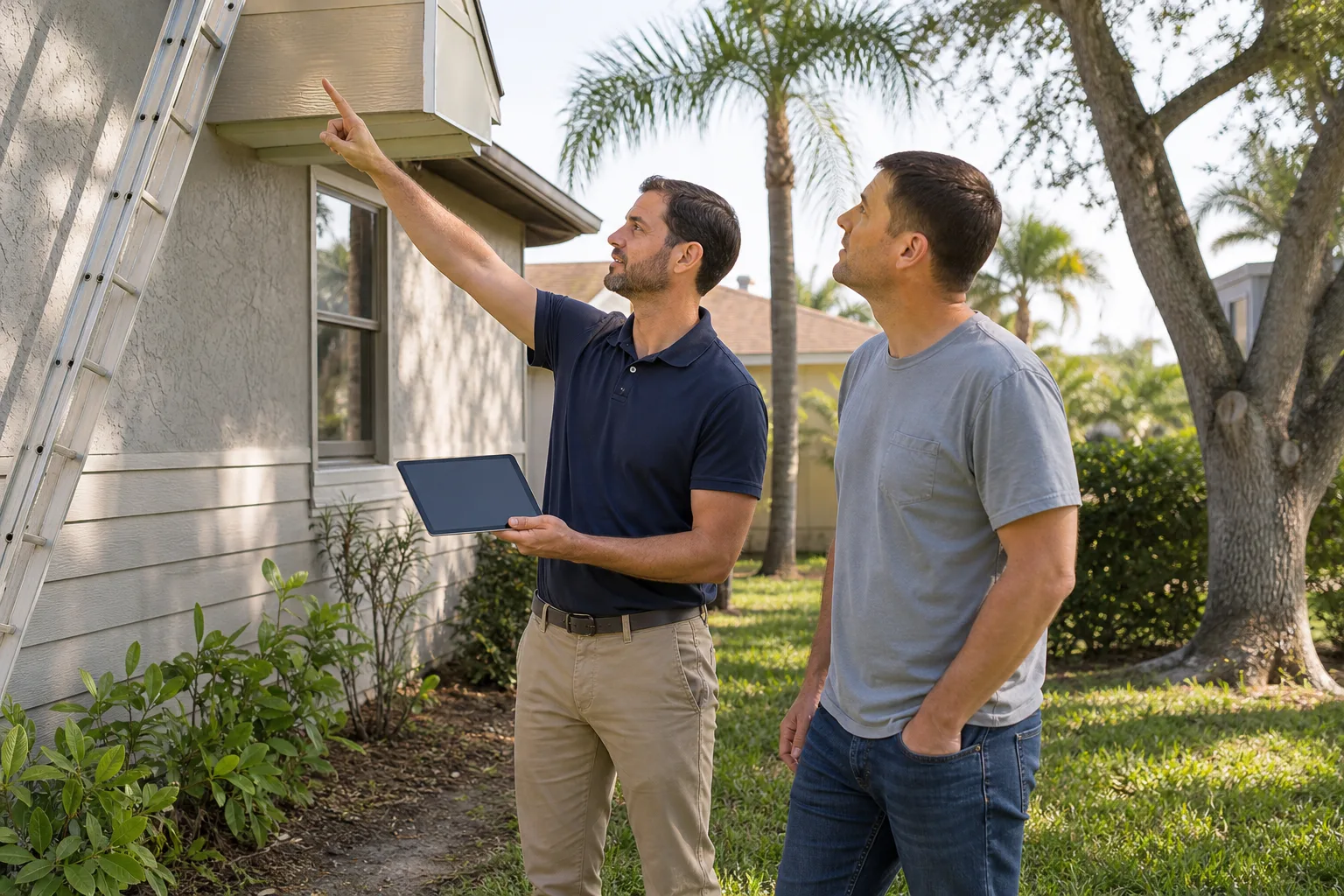
- Call a local contractor for an assessment and a written estimate. You want a professional set of eyes on the damage and a documented scope of work, both for your own decisions and for the claim. This is also where having a relationship matters – you’re not starting from zero with strangers in the driveway.
- Get temporary mitigation in place and then talk repair sequencing. Once the structure is stable and documented, the actual repair – the new roof, the window replacement, whatever the damage requires – is a project with its own timeline. Emergency response and reconstruction are two different phases.
Carrollton homeowners should also check in with neighbors on the same side of the street. Hail and wind damage often follows a fairly consistent pattern across adjacent properties, and a shared assessment can help everyone file claims faster and spot the difference between what’s damage and what was already there.
Anatomy of Storm-Chaser Contractor Fraud in DFW
The door-knockers arrive fast after a major event. Within a day or two of a serious hail storm in the Carrollton area, out-of-town roofing companies work the neighborhoods, and the tactics they use are fairly consistent. Knowing them in advance is the best defense.
Here are the specific warning signs to watch for:
- “We were already in the neighborhood.” Legitimate local contractors don’t rely on drive-by solicitations after a storm. A company that shows up uninvited at your door the day after an event is a red flag, not a stroke of luck.
- “We’ll handle your insurance for you.” No one should ever “handle” your claim on your behalf. You file it. A contractor provides a written scope of work, not a claim-negotiation service. A company that promises to “fight your insurer” or “get you the maximum payout” is overselling in a way that rarely ends well.
- No physical local address or a P.O. box. Ask where they’re based and where the crew will come from. A contractor who can’t answer clearly, or who is vague about where they operate, is a problem.
- Pressure to sign on the spot. “This price is only good today” or “we’ve got a crew available right now” is a pressure tactic. Legitimate work doesn’t require an immediate signature on the hood of a truck.
- Large upfront cash deposit and a short payment schedule. A reasonable deposit tied to material delivery is normal. Large cash payments before any work starts are not. Always pay by check or card, never cash, and always get a receipt.
- Assignment of benefits language in the contract. Read every clause. A clause that lets the contractor take over your insurance claim and bill the insurer directly, without your continuing signature, is a serious overreach. Don’t sign one.
- No written line-item scope. A legitimate proposal tells you exactly what’s being done – materials, quantities, brand names, square footage, schedule. A one-page “we’ll fix the damage for $X” is not a proposal.
- Brand names you can’t verify. A company that won’t tell you exactly what shingle brand and product line they’re installing, or names a brand but can’t speak to the warranty coverage, is cutting a corner. We install recognized systems – GAF, CertainTeed, Owens Corning, Tamko – and we tell clients exactly which one is going on the roof, why, and what its warranty covers.
If someone pressures you on the driveway, the right response is to say no thank you and close the door. You don’t owe anyone your time or a home assessment you didn’t ask for. The contractor you already know is the person you call.
What a Vetted Local Contractor Looks Like
Vetted doesn’t mean famous. It means verifiable. A local professional will provide a written proposal with a line-item scope, name the specific materials and brands they plan to install, explain the permit process for the work, and show you documentation of their licensing and insurance as their state requires. They’ll also typically be fine with you taking your time to compare. If you want to see what a full-scope proposal across multiple trades actually looks like, our Construction Carrollton page lays out the seven service categories we handle and the material brands behind each.
Emergency Permitting for Urgent Repairs in Carrollton
Here’s the part most storm-prep guides skip: permitting. Even after an emergency, structural repairs still need permits, and getting that process moving efficiently is a skill. The good news is that many municipalities, Carrollton included, have processes for expediting permits during declared storm events, and normal timelines can compress for genuine structural urgency. The catch is documentation. A permit application that’s complete and specific gets through faster than one that’s vague.
What accelerates the process:
- A written scope of work that matches the damage. The permit reviewer wants to see precisely what structural elements are affected and what the repair approach is. A clear, detailed scope moves faster.
- Photographic evidence of damage. Your step-two documentation from the 24-hour sequence is also permit documentation.
- Contractor licensure and insurance documentation. The local professional who pulls the permit needs their paperwork in order. This should be routine, but it’s an easy bottleneck if it isn’t ready.
- Clear structural drawings where required. Full roof replacements, additions, and window replacements that affect openings may require drawings or specified product approvals. The quicker you can supply them, the better.
Don’t assume an emergency means no permitting. Any contractor who suggests skipping the permit because the work is urgent is telling you something about how they operate. Ask your city’s building department directly what process applies to your repair type, and have your contractor’s documentation ready to go before you need it. For larger structural work – additions, rebuilds that expand the footprint, or accessory structures – see our home additions & ADU page for how larger projects get scoped and permitted.
Foundation Indicators After Heavy Rain in Clay-Soil Areas
North Texas soils move. That’s not a scare tactic, it’s a fact of the geology. The clay-heavy soils in and around Carrollton absorb water and expand, then dry out and shrink. After a major rain event, some movement is normal. The question is distinguishing ordinary seasonal soil behavior from signs that the slab or foundation needs professional assessment now.
What’s typical after a heavy event: minor hairline cracks in interior drywall, a door that sticks slightly and then works fine again in a few weeks, small cracks in exterior masonry that haven’t grown. The clay swells, things settle, and then they settle back.
What warrants an immediate call:
- Doors or windows that suddenly don’t close, or stick in a way they didn’t before the storm.
- Cracks wider than a hairline in drywall, brick, or the exterior walls – especially diagonal cracks running from window or door corners.
- Visible separation between the slab and exterior walls, or between the slab and adjoining hardscape.
- Floors that feel uneven or sloped where they weren’t before.
- Water pooling near the slab that hasn’t drained, with persistent standing water for days after the storm.
- Any new gap between a doorframe and the wall, or a window frame that’s pulled away.
If you see any of the above, get a professional assessment. Foundation repair is not something to diagnose from a photograph, and the earlier a real structural issue is caught, the more contained the fix is. A trained professional can tell you whether you’re looking at normal movement or something that needs a plan. On the other side of the ledger, mitigating water against the slab – grading, drainage, downspout management, crack-free driveways and pavers – is a proactive way to reduce foundation stress over time. Our driveway & pavers page covers how professional-grade paver systems handle drainage differently from plain concrete.
Roof and Window Hardening Before the Next Event
The most cost-effective emergency response is the one you never have to make. Hail and wind are the dominant damage drivers in the Carrollton area, and the materials on your roof and the glass in your walls determine how well your home takes a hit.
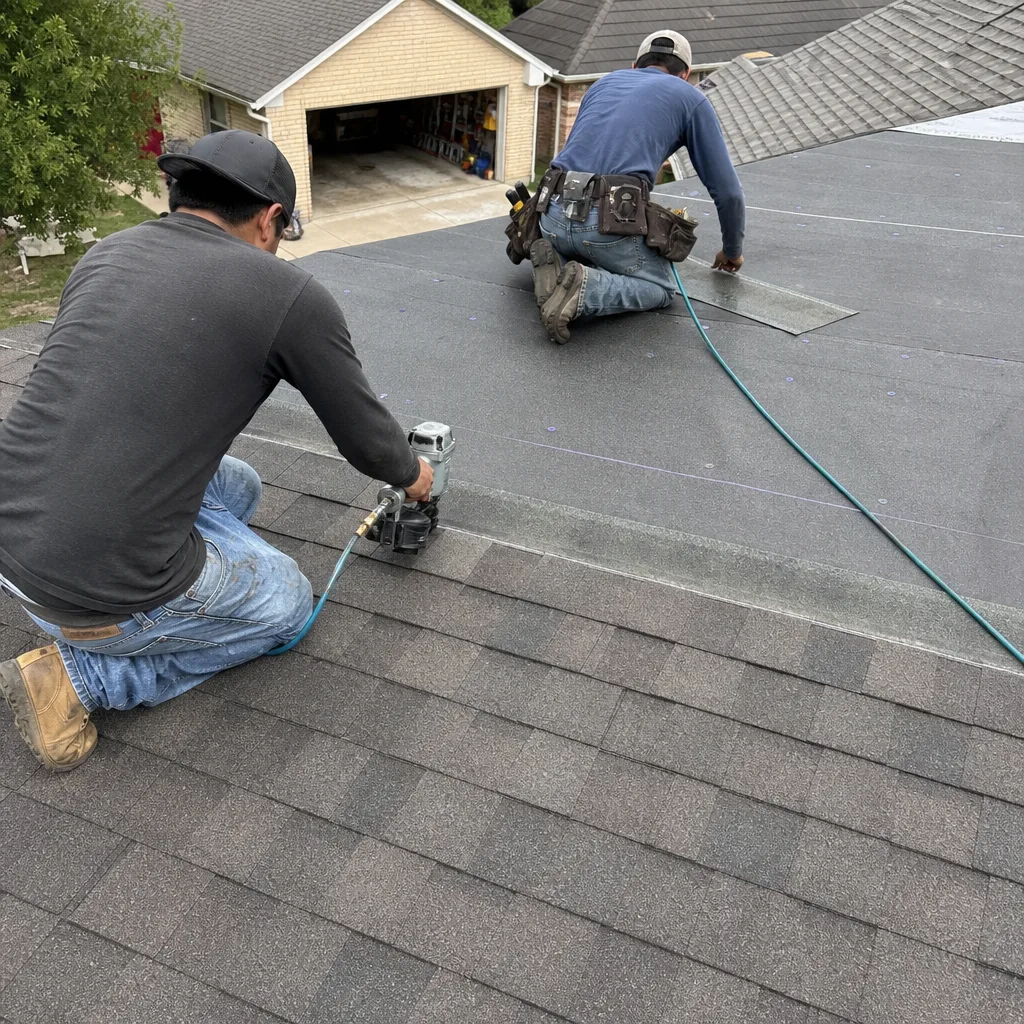
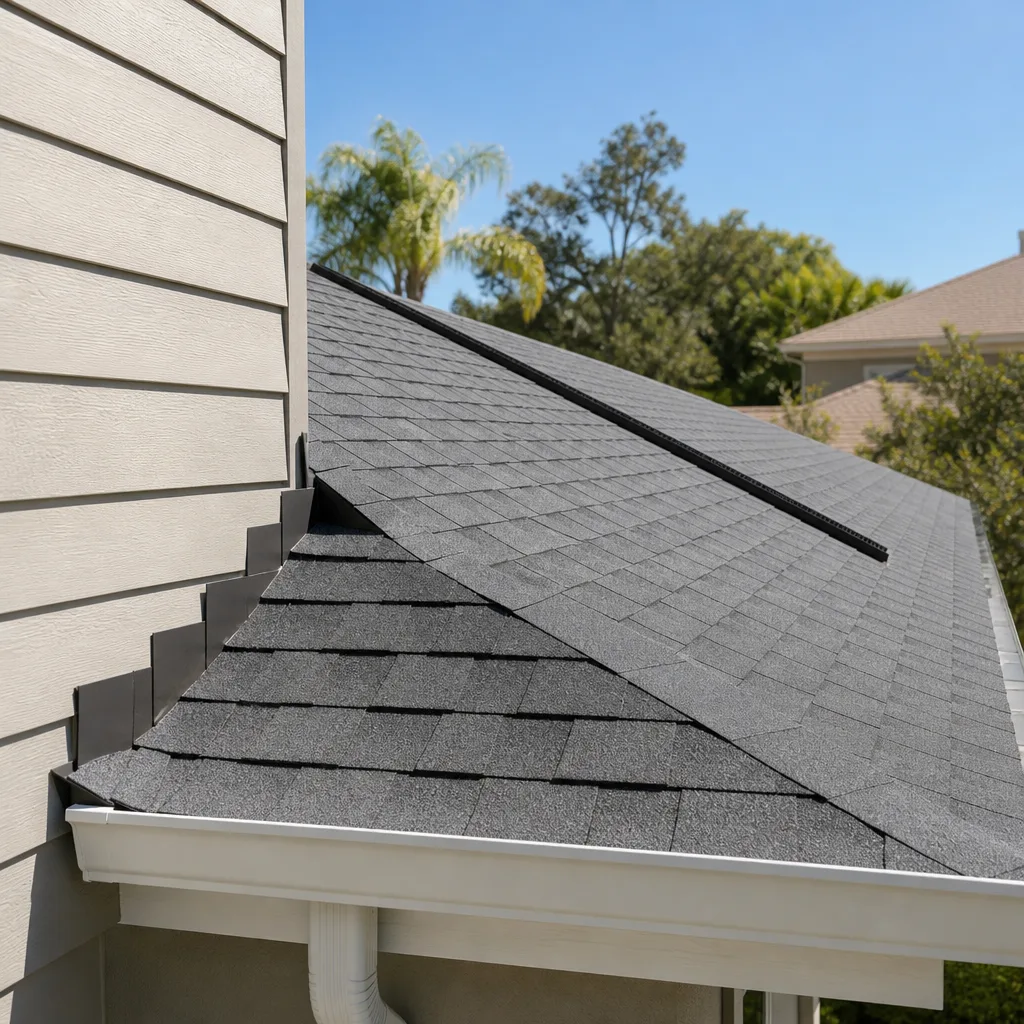
On the roof: the difference between a low-end shingle and a quality Class A system shows up in the 48 hours after a hail event. Three of the most widely warranted shingle systems available are GAF, CertainTeed, and Owens Corning, and Tamko is another name worth asking about. The specifics matter – not just the brand, but the product line, the underlayment, the flashing details, and the warranty coverage on the system as installed. We walk homeowners through those options specifically, because “we’ll put a new roof on” tells you nothing about what’s actually going where your family sleeps.
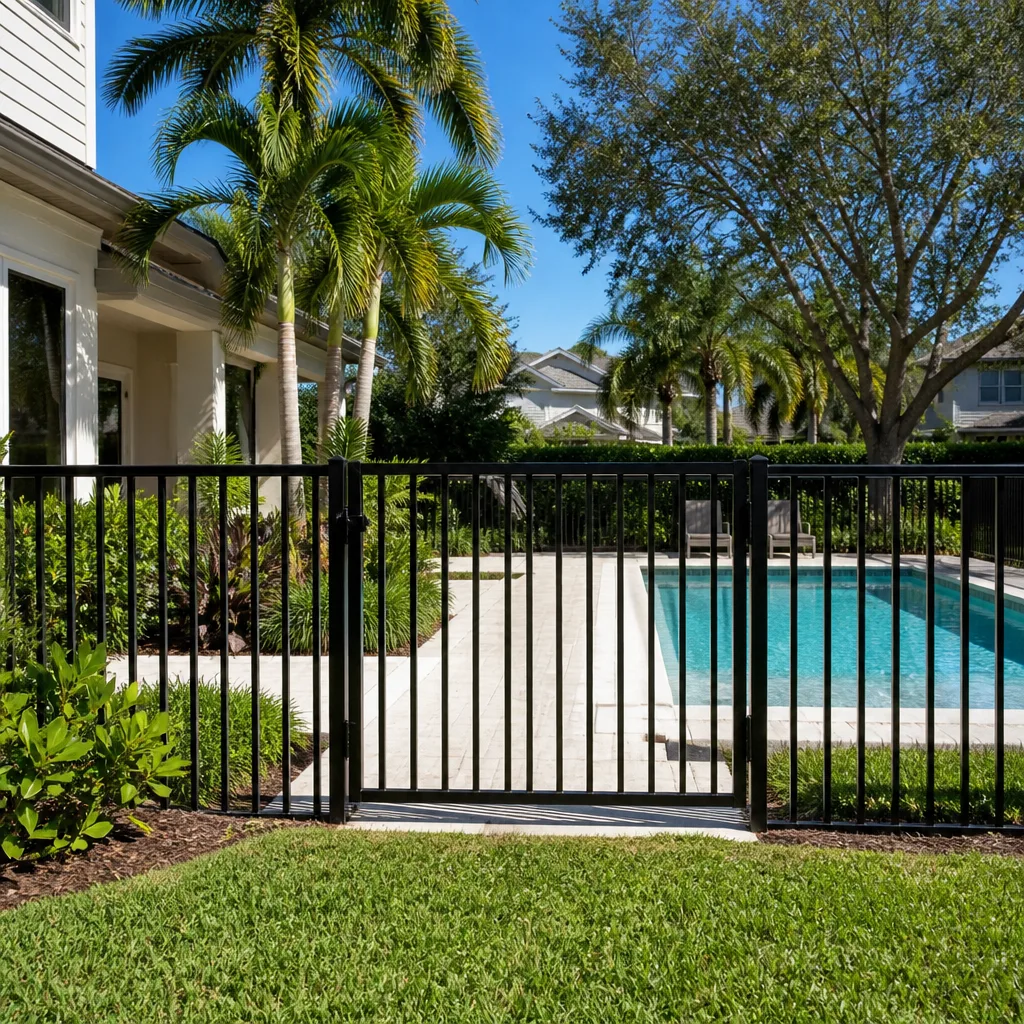
On the windows and doors: older single-pane units are the first to go in a wind event and the most expensive to deal with afterward. Modern impact-rated and energy-efficient windows and doors are a meaningful hardening step. PGT and CGI make products in this category that are more substantial than the typical big-box stock, and they’re a code-compliant way to upgrade the envelope of the home. Impact-rated glass is worth discussing on its own for security, noise reduction, and storm protection. If you’re weighing a plan, our fence installation page covers how the perimeter of your property ties into the same hardening conversation – a Master Halco, Ameristar, or Jerith fence system stays standing when a lesser one folds.
The other thing to check before storm season: gutters and downspouts. A clogged system pushes water into the foundation zone and the fascia, and neither of those are cheap to fix after the fact. Walk the line, clear what you can reach safely from the ground or a ladder, and get professional help if anything structural or high up needs attention.
Common Mistakes to Avoid
- Signing before you read. Every clause. Especially the assignment-of-benefits language and the payment schedule. Take the contract inside and read it, and don’t be rushed.
- Paying cash to a stranger. Cash leaves no trail, and storm-chasers love it. Pay by check or card, always, and keep the receipt.
- Moving damaged material before you photograph it. The images you take before clearing anything are what your insurer needs. Moving the wet drywall to throw it out can void your ability to document the extent of the intrusion.
- Ignoring documentation before the storm. If you don’t have pre-event photos, you can’t show the adjuster what was there before. The difference between a clean claim and a fight is often the “before” picture.
- Assuming a hairline crack is “just foundation stuff.” Most hairline cracks in Carrollton clay-soil areas are normal. Some aren’t. If a crack is widening, running diagonally from a window corner, or paired with doors that suddenly stick, get it looked at.
- Paying for a “free inspection” that turns into a contract. A legitimate inspection is documented and comes with a written scope, not a verbal sales pitch in the driveway.
- Skipping the permit because the repair is “urgent.” Urgent work still needs permits. Future buyers, insurers, and inspectors all care that the repair was permitted, and an unpermitted structural repair can come back to bite you at resale.
When to Call a Professional
Some things you handle yourself. Others you call in a pro. On the Carrollton side of that line: any roof damage that requires getting on the roof in unsafe conditions; any structural concern – sagging roofline, cracked ceiling, wall separation, sudden sticking doors; any foundation symptom from the list above; any window or door replacement, especially in a structural opening; any permit-required work; and anything that requires documentation you’re not confident you can capture correctly. The safety-adjacent items matter most. We don’t recommend homeowners diagnose structural issues from ground level or attempt roof-level work in unsafe weather conditions. A trained professional should be on the roof, at the foundation, and at the door when the stakes are this high. Construction Carrollton offers free estimates in Carrollton – call (888) 584-9525 to schedule an assessment and a written, line-item scope. Our technicians have up to 14 years of experience, and we’ll walk you through the material options specifically, not in generalities.
See the difference
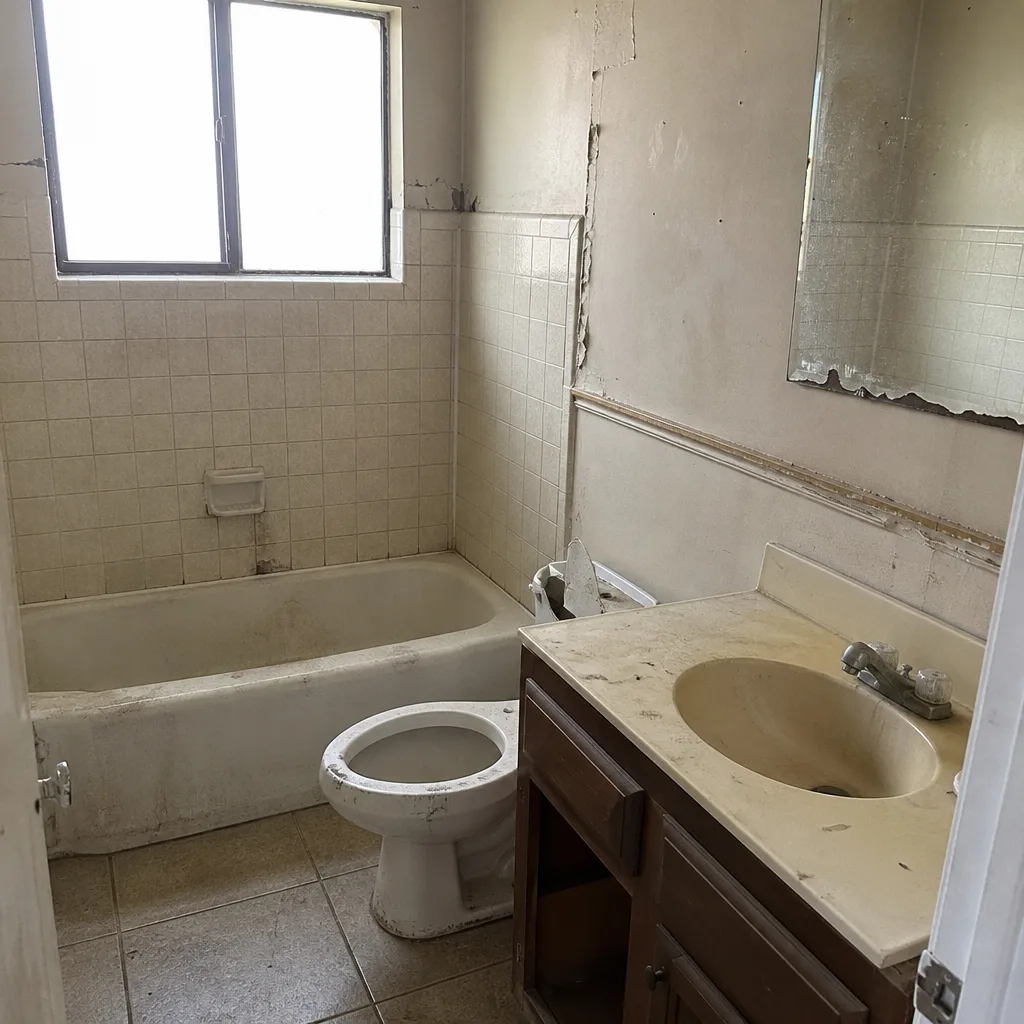 Before
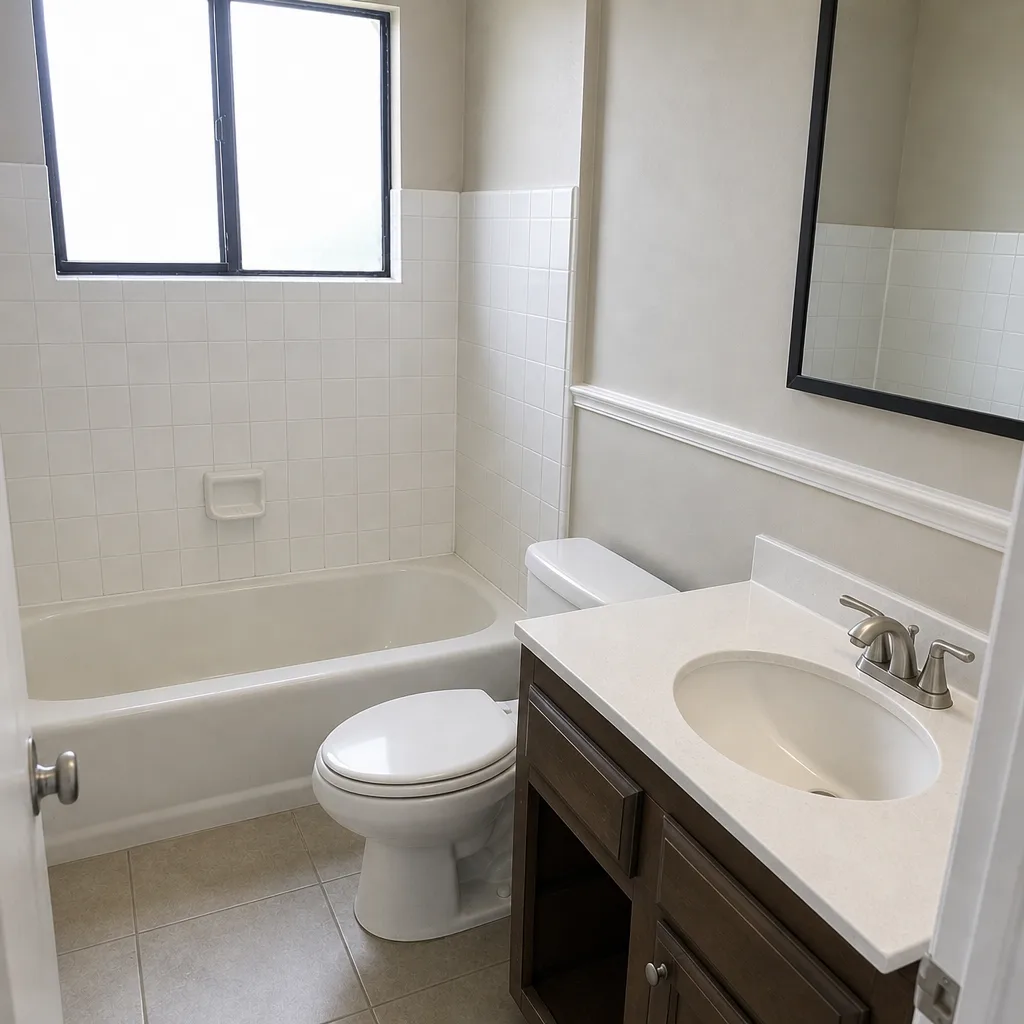 After
 Before
 After
 Before
 After
Frequently Asked Questions

Make the property safe first, then document everything before moving anything, then call your insurer to open the claim. Preventing further damage and capturing evidence come before any repair conversation. If structural damage is visible – sagging rooflines, ceiling cracks, wall separation – stay out of the affected area and call a professional for assessment. Call (888) 584-9525 for a free estimate once the structure is safe.
The clearest signs are door-to-door solicitation immediately after an event, pressure to sign on the spot, a refusal to name specific materials and brands, a large cash deposit request, and assignment-of-benefits clauses in the contract. A vetted local contractor provides a written line-item scope, names the exact materials going on the job, and is fine with you comparing proposals. If any of those red flags show up, don’t sign. Call (888) 584-9525 for a second opinion before you commit to anything.
Yes, in most cases. Structural repairs, roof replacement, window replacement, and most significant reconstruction require permits even when the work is urgent. Many municipalities compress normal timelines during a declared emergency, but the documentation requirement doesn’t go away. Ask your city’s building department directly what applies to your repair type, and make sure your contractor’s paperwork is complete before the application goes in. Call (888) 584-9525 to discuss what a full-scope repair plan looks like and what will need permitting.
Hairline cracks in drywall are typically normal clay-soil behavior after a heavy rain event and often stabilize on their own. Cracks wider than a hairline, diagonal cracks running from window or door corners, doors that suddenly stick, or separation between the slab and exterior walls warrant a professional assessment. When in doubt, get it looked at. Call (888) 584-9525 for an in-person evaluation and a written estimate.
Most policies cover sudden storm damage like hail and wind, but the specifics depend on your deductible, your coverage limits, and whether the damage is attributable to a sudden event versus gradual wear. Read your policy before storm season and know your storm deductible – it’s often a percentage of dwelling coverage rather than a flat amount. Call (888) 584-9525 for a written scope of the repair so you have documentation ready for your claim.
Document the entire property with photos and video stored off-site, write down your policy details in plain language, establish a relationship with a local contractor you trust, and know your home’s vulnerable points – the roof planes facing the storms, the older fence line, the low spots where water pools. That’s the preparation that determines how well you handle the event. Call (888) 584-9525 to start a conversation about hardening your roof, windows, and exterior before the next storm.
The Bottom Line
Emergency construction damage in Carrollton is not really an emergency if you’ve done the prep. The documentation, the policy knowledge, the trusted contractor relationship, and the clear sequence for the first 24 hours – those are what separate a clean repair from an eighteen-month fight with a company that’s already gone. The storm-chasers count on pressure and speed; you beat them with preparation and patience. If you take one thing from this guide, take the checklist: photo the property, write down your policy, and get a contractor’s name and number into your phone before the next hail event rolls through Carrollton. Call (888) 584-9525 to start that conversation. We answer 24/7. Fast dispatch from 7am to 7pm, Sunday through Friday.
Written by the team at Construction Carrollton.