
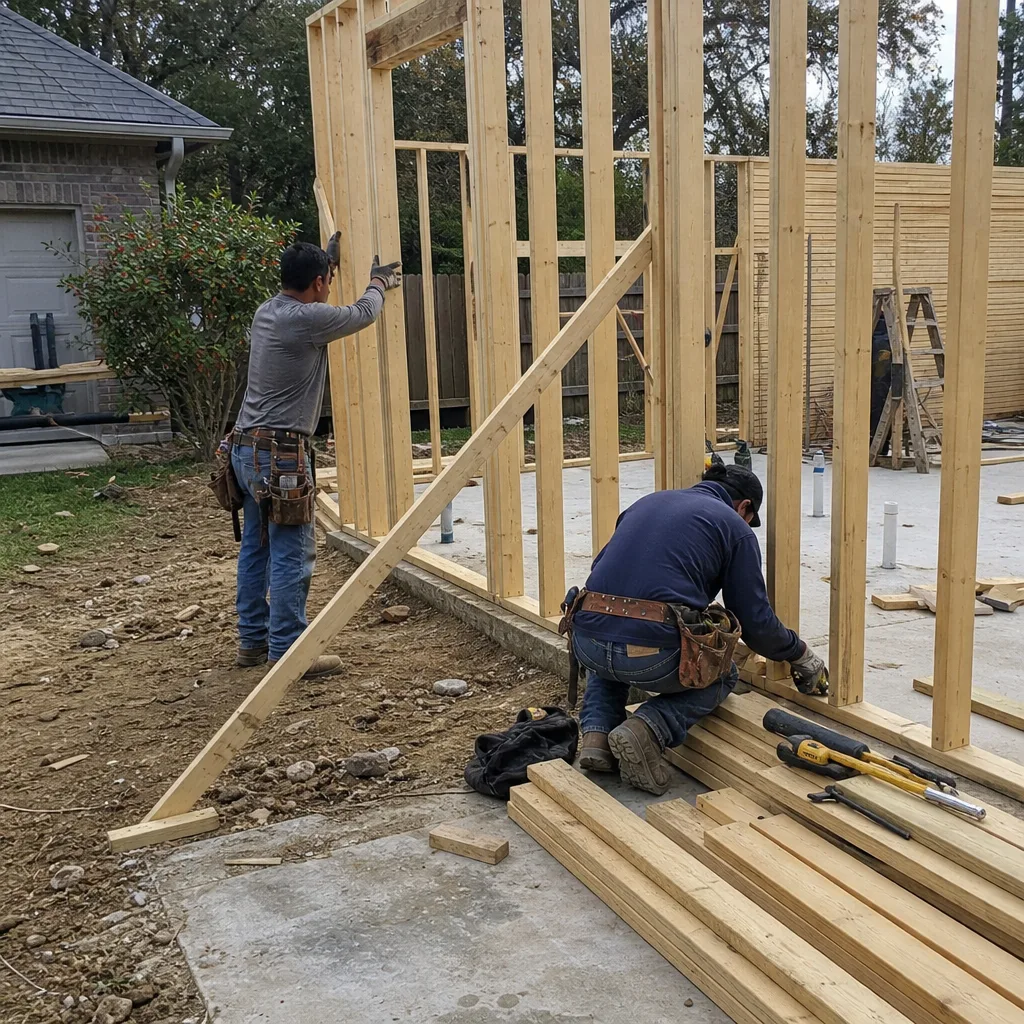
Last updated November 18, 2026








Free written scope consultation - allowances, timeline, and change-order rules on paper before a single trade is scheduled
How to Hire a Construction Contractor in Carrollton: A Step-by-Step Guide
The contractor who wins the bid comparison in Carrollton is often the one who delivers the worst outcome. That sounds backward, but it’s what the paper trail shows: the lowest number on a remodel bid is the one most likely to come back as a change order before the drywall is even hung, and the savings evaporate while the homeowner is still unpacking boxes. Price is the easiest thing to compare and the least useful thing to compare. What actually determines whether a Carrollton project finishes on time and on spec is the contractor’s permit history, material supply relationships, labor model, and contract literacy. This guide walks you through all four, step by step, so the decision you make in the interview stage is the one you can live with for the next six months.
Quick Answer
Hiring a construction contractor in Carrollton means verifying four things before you sign anything: how many City of Carrollton permits the contractor has pulled recently and whether they can show inspection records, what materials they can actually source (not just name in a bid), whether they own their labor or subcontract everything out, and whether the contract protects you when material prices move or timelines slip. Reviews and price are secondary signals. The written contract and the permit record are the primary ones.
Styles & brands we work with
- Kitchen remodeling
- Bathroom remodeling
- Home additions & ADU
- Roofing
- Windows & doors
- Driveway & pavers
- Fence
Table of Contents
- Why Standard Contractor Advice Fails in Carrollton
- What “Licensed” Actually Means in Texas
- The Pre-Interview Checklist: Questions to Ask Before You Meet
- Subcontractor-Heavy vs. Owned Labor: How to Tell the Difference
- Reading the Contract: Five Clauses That Decide Who Pays
- Material Supply in DFW: Why Brand Access Matters
- Red Flags That Appear During the Bid Process
- Permits, Inspections, and the City of Carrollton
Why Standard Contractor Advice Fails in Carrollton
“Get three bids and check the reviews” is the advice you’ll find on every home-services site on the internet, and it’s not wrong so much as incomplete. It’s advice designed for a market where contractors are interchangeable, materials are commodity, and permitting is uniform. Carrollton isn’t that market. The city sits in the middle of the Dallas-Fort Worth metroplex with its own permitting department, its own inspection schedule, and its own set of soil conditions that affect foundation and hardscape work. The Blackland Prairie clay that runs through Carrollton expands and contracts with moisture, which means a paver driveway installed without proper base preparation will heave within a couple of seasons. A contractor who hasn’t worked in this soil won’t necessarily know that.
Then there’s the supply chain. DFW is one of the fastest-growing metros in the country, and material availability fluctuates constantly. A contractor who can pull Cambria quartz, KraftMaid cabinetry, and GAF roofing through established supplier relationships gets materials on schedule. A contractor who buys from whoever answers the phone gets delays. On a kitchen remodel, a delayed countertop means a delayed sink install, which means a delayed backsplash, which means the project stalls for weeks.
The third variable is permitting. The City of Carrollton requires permits for most structural, electrical, plumbing, and mechanical work, and inspection schedules fill up during peak construction season. A contractor who has pulled permits in Carrollton recently knows the workflow, knows which inspections can be combined, and knows how to schedule around the city’s availability. A contractor who hasn’t pulled a Carrollton permit in two years is relearning the process on your project.
None of this shows up in a bid comparison. That’s the gap this guide fills.
What “Licensed” Actually Means in Texas
Texas does not license general contractors at the state level. There is no statewide general contractor license, no statewide exam, and no statewide registry. That surprises a lot of homeowners who moved here from states where general contractors are licensed, bonded, and regulated by a state board. In Texas, the trades that require state licensing are specific: electricians, plumbers, HVAC technicians, and a handful of others. The person building your addition, remodeling your kitchen, or installing your roof may hold no state license at all, and that’s legal.
So when a contractor says “we’re licensed,” the question is: licensed for what, and by whom? Here’s how to verify what actually matters:
- Ask for the specific license type and the issuing body. If the contractor says “licensed and insured” without specifying, ask them to name the license. Electrical and plumbing contractors should be able to produce a Texas Department of Licensing and Regulation (TDLR) number. If they can’t, they’re not licensed for that trade.
- Verify the license independently. TDLR maintains a public license search. Look up the number yourself rather than trusting a photocopy.
- Ask for a certificate of insurance naming you as certificate holder. General liability insurance protects you if the contractor damages your property. Workers’ compensation protects you if a worker is injured on your job. If the contractor is exempt from workers’ comp (Texas allows small employers to opt out), ask how they handle injury liability. The answer should be specific and in writing.
- Ask for a surety bond if the project exceeds a threshold you’re comfortable with. Texas doesn’t require general contractor bonds, but many contractors carry them voluntarily. A bond gives you a recovery path if the contractor fails to complete the work.
- Cross-check the business with the Texas Secretary of State. A registered business entity in good standing is a baseline signal. It doesn’t guarantee quality, but a contractor who can’t produce a business registration is a contractor to walk away from.
In Carrollton, the additional verification step is the city’s permit and inspection record. That’s covered further down.
The Pre-Interview Checklist: Questions to Ask Before You Meet
Most homeowners ask the same five questions in the interview: how long have you been in business, are you licensed, do you have references, what’s your timeline, and what’s the price. Every contractor has rehearsed answers to all five. The questions that separate contractors are the ones that require documentation, not conversation. Ask these before the in-person meeting, ideally by email, so the answers are in writing:
- How many City of Carrollton permits have you pulled in the last 12 months? A contractor who works regularly in Carrollton should be able to answer this quickly. A vague answer (“we pull permits all over DFW”) is a signal they don’t track it.
- Can you produce inspection records from those permits? Inspection records show that work was actually inspected and passed, not just permitted. A contractor who can’t produce records either hasn’t pulled permits or hasn’t passed inspections.
- Which of the following can you source directly: Cambria, Caesarstone, or Silestone for counters; KraftMaid or Wellborn for cabinetry; GAF, CertainTeed, or Owens Corning for roofing; Belgard, Unilock, Techo-Bloc, or Cambridge for pavers? Specific brand names test whether the contractor has real supplier relationships or just quotes from a catalog.
- How many of your crew are employees versus subcontractors? More on this in the next section.
- Who is the point of contact during the project, and how often will I hear from them? The answer should name a role (project manager, lead carpenter) and a communication cadence, not a promise to “keep you in the loop.”
- Can you send me a sample contract before we meet? Reviewing the contract before the bid discussion tells you whether the contractor is organized and whether the contract terms are standard or aggressive.
A contractor who pushes back on any of these questions is a contractor who has something to hide. A contractor who answers them in writing, within a day, is a contractor worth interviewing.
Subcontractor-Heavy vs. Owned Labor: How to Tell the Difference
There are two basic operating models in residential construction, and they produce very different experiences. The subcontractor-heavy model is the more common one: the general contractor manages the project, hires specialized subs for framing, electrical, plumbing, drywall, tile, and finish carpentry, and coordinates the schedule. The owned-labor model (sometimes called “self-perform”) is less common: the contractor employs a core crew that handles the bulk of the work, and brings in subs only for licensed trades or specialty scopes.
Neither model is inherently better, but they fail differently. A subcontractor-heavy operation depends entirely on the general contractor’s scheduling and quality control. If the GC is organized and has long-standing relationships with reliable subs, the model works well and often scales faster. If the GC is disorganized or churns through subs, quality varies wildly, and nobody is accountable for the pieces in between. An owned-labor operation has more direct control over quality and scheduling, but the trade-off is that the contractor’s capacity is limited by crew size. That means fewer projects in progress, which can mean a longer wait to start.
How to tell which model you’re hiring:
- Ask directly and ask for names. “Which of your trades are handled by employees, and which by subcontractors?” If the contractor says “we have our own crews for everything,” ask how many employees are on payroll. A contractor with nine trades and four employees is using subs.
- Read the contract’s payment schedule for clues. Subcontractor-heavy operations often have a payment schedule broken into many small draws (framing draw, rough-in draw, drywall draw) because the GC pays subs as work completes. Owned-labor operations may have simpler draws. Neither is wrong, but the pattern tells you which model you’re working with.
- Watch the pre-construction handoff. In a subcontractor-heavy model, the person who sell you the job (the estimator or salesperson) often isn’t the person who runs it. Ask specifically: “Will the person who ran my estimate be involved after signing?” and “Who is on-site on day one?”
- Ask about the last three projects started. A contractor with owned labor can usually describe the crew that worked recent projects. A contractor with subs may not know which sub was on which job two months ago, which is itself information.
In our experience, the model matters less than whether the contractor is honest about it. A GC who says “we sub out most trades, but here’s who does our tile and here’s who does our rough framing” is easier to hold accountable than one who claims to self-perform everything and then can’t produce a single payroll name.
Reading the Contract: Five Clauses That Decide Who Pays
Ask any contractor’s office and they’ll tell you the contract is standard. It isn’t. The five clauses below determine what happens when something goes wrong. Read each one specifically, and if you don’t understand a clause, ask the contractor to rewrite it in plain language before you sign.
1. The Scope of Work Clause
This one is the most important and the most commonly skimmed. The scope should list every deliverable in specific terms: not “kitchen remodel,” but “replace 10 linear feet of base cabinetry with KraftMaid maple shaker cabinets, install 30 square feet of quartz countertop, relocate the sink to the east wall.” Vague scope is the number one cause of change-order disputes. If the scope says “install new tile” without specifying tile size, grout line, and material, any change you request later, or any specification the contractor decides during install, becomes a change order.
2. The Material Price Escalation Clause
This is the clause that decides who pays when lumber, steel, or cabinetry prices move between signing and delivery. Three language patterns show up:
- Fixed-price: The contract states a firm price, and the contractor absorbs any material price increases. This is the cleanest for you and the riskiest for the contractor.
- Escalation clause: The contract allows the contractor to pass through documented material price increases above a defined threshold. Read the threshold carefully. A clause that allows pass-through on “any increase over 5%” is very different from one that allows pass-through on “increases exceeding 15% with written documentation.”
- Allowance-based: The contract includes an allowance for materials (for example, $15,000 for cabinetry), and if you select materials above that allowance, you pay the difference. This is common and workable as long as the allowance is realistic for what you actually want, not a lowball number designed to look competitive.
3. The Timeline and Delay Clause
Every contract should have a substantial completion date and a definition of what counts as an excusable delay. Weather, permit approval delays, and material delivery delays are commonly excused. What you want to look for is whether the contract defines what “weather” means in an inland North Texas context (where frost and snow don’t factor in, but heavy rain and wind do) and whether it includes any consequence for contractor-caused delay. A contract with a start date, a completion date, and specific excusable conditions protects both sides. A contract with no completion date gives the contractor no accountability.
4. The Change Order Clause
This clause defines how changes to the scope are priced and approved. Look for three things: (a) changes must be approved in writing before work proceeds, (b) the change order must list a specific price and timeline impact, and (c) the contractor cannot proceed with a change if you decline it. A contract with a rubber-stamp change order clause (any change “as required”) means the contractor can add work and cost without your approval.
5. The Warranty and Punch List Clause
This clause defines what happens after substantial completion. Look for a defined punch list process (how many days after completion you have to submit items, how long the contractor has to complete them), a workmanship warranty period, and a manufacturer warranty assignment clause (so you receive the manufacturer warranties directly on materials like GAF roofing shingles, James Hardie siding, and Kohler fixtures). Without the assignment clause, the manufacturer warranty may be in the contractor’s name, not yours.
Material Supply in DFW: Why Brand Access Matters
Material availability in the DFW market changes month to month. During peak construction season, cabinetry lead times can stretch, countertop slabs in specific colors can go on backorder, and roofing materials can run short after a storm event. The contractor’s supplier relationships determine whether those delays become your problem.
A contractor with established relationships across multiple manufacturers can switch a backordered slab to an in-stock equivalent, or pull from a different distributor’s warehouse, without resetting the project schedule. A contractor who orders from one supplier has no fallback. That’s why “we can get the materials you want” is a less useful answer than “here are the brands we source, and here’s how we handle backorders.”
The brands that matter vary by trade. On a kitchen project, the difference between a builder-grade cabinet and a KraftMaid or Wellborn cabinet is door construction, drawer hardware, and how the finish holds up in a Texas kitchen that sees heavy summer humidity. On a bathroom, Schluter waterproofing systems, American Standard and Toto fixtures, and Delta valve components are the material-level choices that determine whether the bathroom still looks right in five years. On a roof, GAF, CertainTeed, and Owens Corning are three of the most widely warranted shingle manufacturers, and using one of their certified systems matters more than choosing the cheapest shingle that fits the same category.
When we walk homeowners through material options, the point isn’t to upsell. It’s that a kitchen or bathroom project only happens once every 15 to 25 years for most households. Getting the material choice right matters more than getting a slightly lower bid.
Red Flags That Appear During the Bid Process
Most contractor problems show up weeks or months after signing. The warning signs, however, show up during the bid process, if you know what to look for. These are the behavioral and document-gap signals that predict project trouble with high reliability:
- No written proposal, only a verbal number. A contractor who gives you a price on the phone or napkin but won’t send a written proposal is a contractor you can’t hold to anything. A written proposal should include a scope summary, a line-item or lump-sum price, a payment schedule, and a start window.
- Bid significantly below the other two. If the spread between the lowest and highest bid is more than 25 percent, something is missing. Either the low bidder excludes work (inspection costs, permit fees, debris removal) or is planning to recover margin through change orders. Ask the low bidder, in writing, to confirm what’s included. The answer usually reveals the gap.
- No proof of insurance at bid time. A contractor who can produce an insurance certificate immediately is organized. A contractor who says “I’ll get that to you” and doesn’t is a contractor you should be wary of.
- Pressure to sign immediately. “This price is good through Friday” is a sales tactic, not a construction reality. Real contractors don’t lose their pricing on a Tuesday.
- No license or registration detail in the proposal. Even in unlicensed trades, the proposal should include the business name, address, and, where applicable, the licensed trade’s TDLR number. A proposal with no identifying information on who’s actually doing the work is a proposal to walk away from.
- Vague answers to the permit question. “We’ll pull the permits we need to pull” is either ignorance of Carrollton’s requirements or an admission that permitting will be minimized. Either answer is a problem.
The best time to disqualify a contractor is before the bid, and the second-best time is before the contract. Both are cheaper than the third-best time, which is during construction.
Permits, Inspections, and the City of Carrollton
The City of Carrollton issues permits for most structural, electrical, plumbing, and mechanical work, and inspection schedules fill up during peak construction season. A contractor who has pulled recent permits in Carrollton knows which inspections are scheduled together, which require separate visits, and how to sequence work to keep the schedule moving. A contractor who hasn’t pulled a Carrollton permit recently learns all of this on your project.
When you review the proposal, ask three specific questions:
- Which permits will you pull for this project, and what are the permit fees? A good proposal lists the permits by scope, and lists fees as a line item. If permit fees aren’t listed, ask whether they’re included in the price or billed separately.
- Which inspections will be required, and who schedules them? The contractor should schedule inspections as part of the scope. If the homeowner is expected to schedule, that’s a sign the contractor isn’t set up to manage the city relationship.
- How many Carrollton permits have you pulled in the last 12 months, and can you produce inspection records? Ask for three inspection records from recent projects, so you can see the actual dates and outcomes.
For additions and ADUs, the permitting path is longer and requires design drawings, site plans, and multiple inspections. This is the category where a contractor’s permit history matters most. For driveways and pavers, the permitting scope is usually smaller, but the base preparation and drainage requirements still matter. For fencing, height and setback requirements vary by lot and by HOA, so the contractor should be able to tell you what’s permitted before you sign. For roofing, permit requirements depend on the scope of work and whether structural changes are involved.
When you’re weighing a full-home scope across these categories, working with a contractor who handles Construction Carrollton services as one coordinated project cuts down on the number of separate permit processes, inspection schedules, and contractor relationships you’re managing at the same time.
Common Mistakes to Avoid
- Comparing bids without comparing scope. Two numbers on a page tell you nothing until you compare what’s included. Ask each bidder to price the same itemized scope so the comparison is apples to apples.
- Skipping the contract review. A homeowner who signs a contract without reading the change order, escalation, and warranty clauses is signing up for surprise costs. Read all five clauses covered above, and ask the contractor to clarify any clause in plain language.
- Treating reviews as a substitute for permits. A contractor with great reviews but no recent Carrollton permits is a contractor re-learning the city’s process on your job. Ask for the permit record in addition to the reviews.
- Assuming “licensed” means licensed for the work being done. In Texas, general contractors aren’t state-licensed. Only specific trades are. Verify the trade license for the trades that require one, and verify insurance for everything else.
- Not asking about labor model until after signing. The subcontractor-heavy versus owned-labor question determines how the project is scheduled and how quality is controlled. Ask before you sign, not after.
- Letting the schedule slip without a date in writing. Without a substantial completion date and a defined excusable delay clause, the contractor has no schedule accountability. Get the date in the contract.
- Paying too much up front. A typical construction payment schedule ties payments to completed milestones: a deposit at signing, then draws as sections complete. A request for more than a modest deposit before any work starts is a red flag.
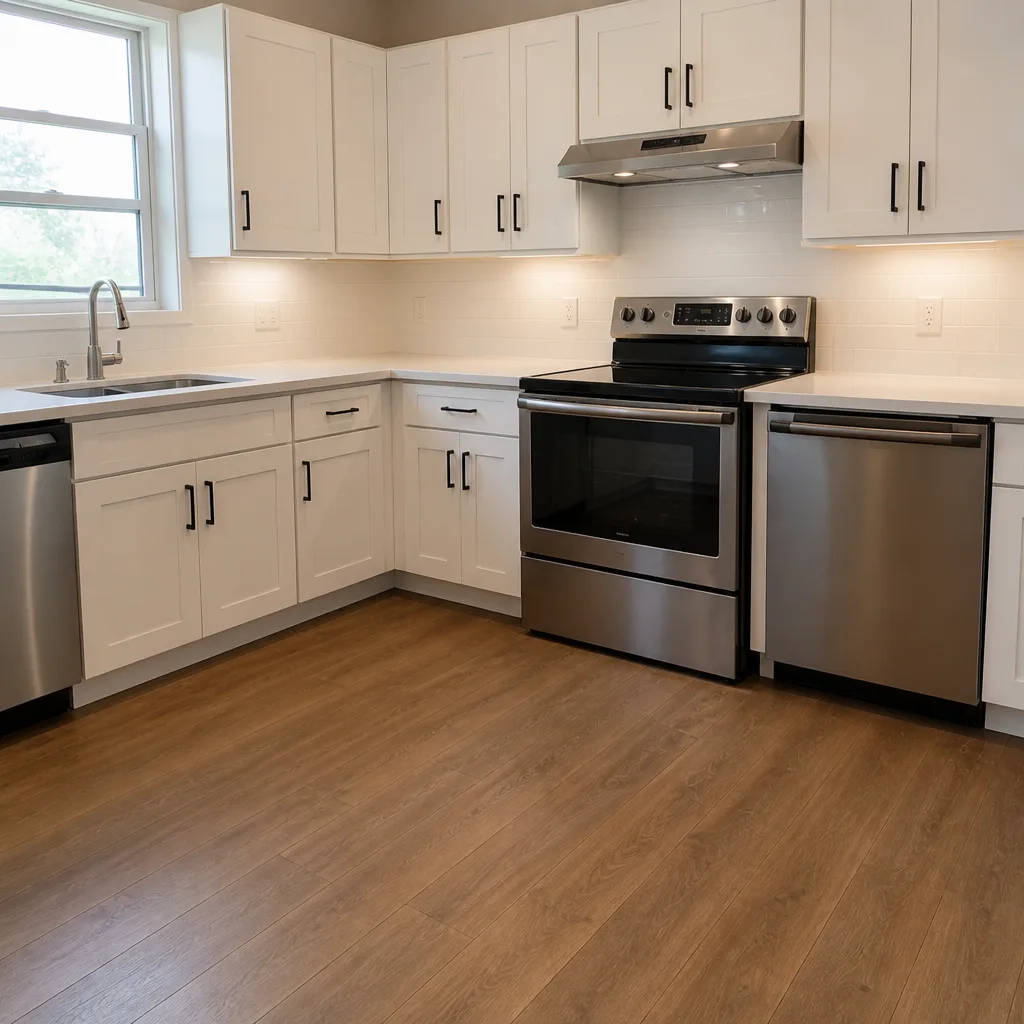
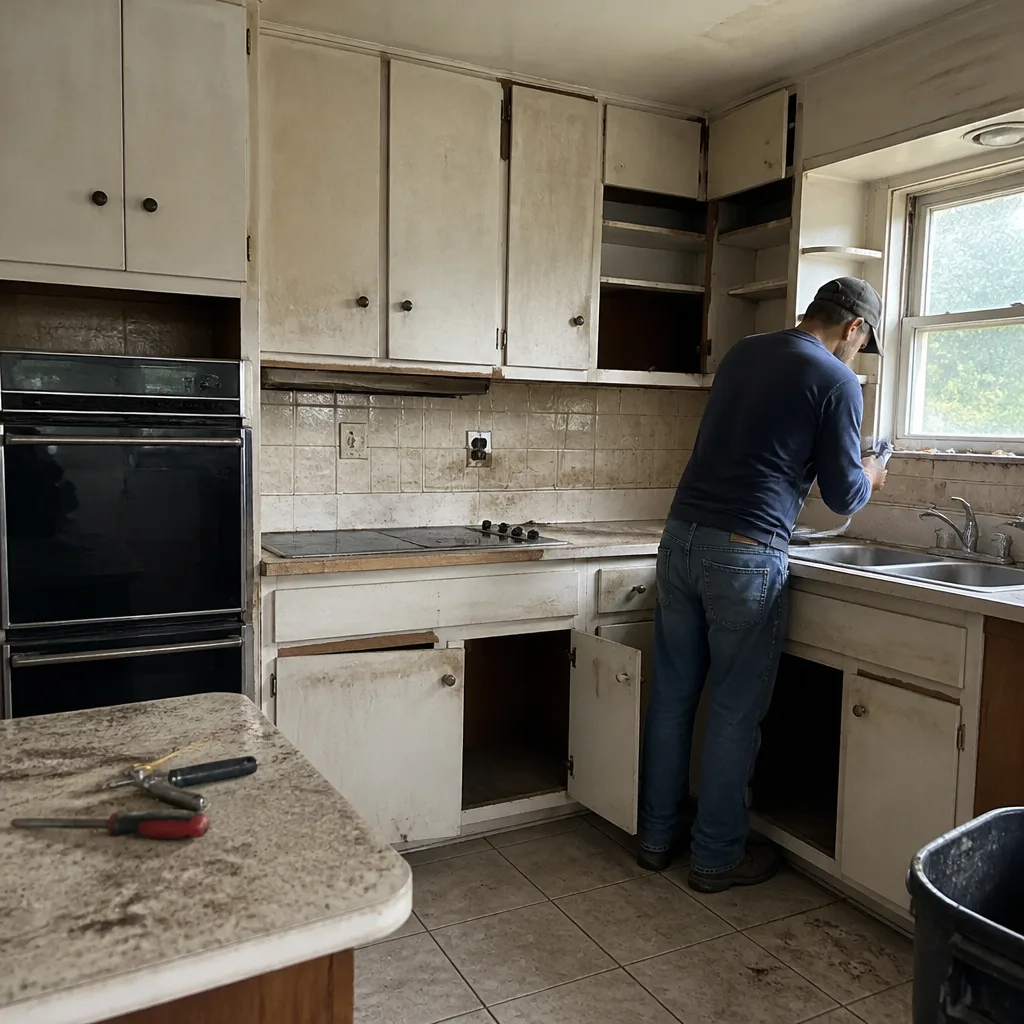
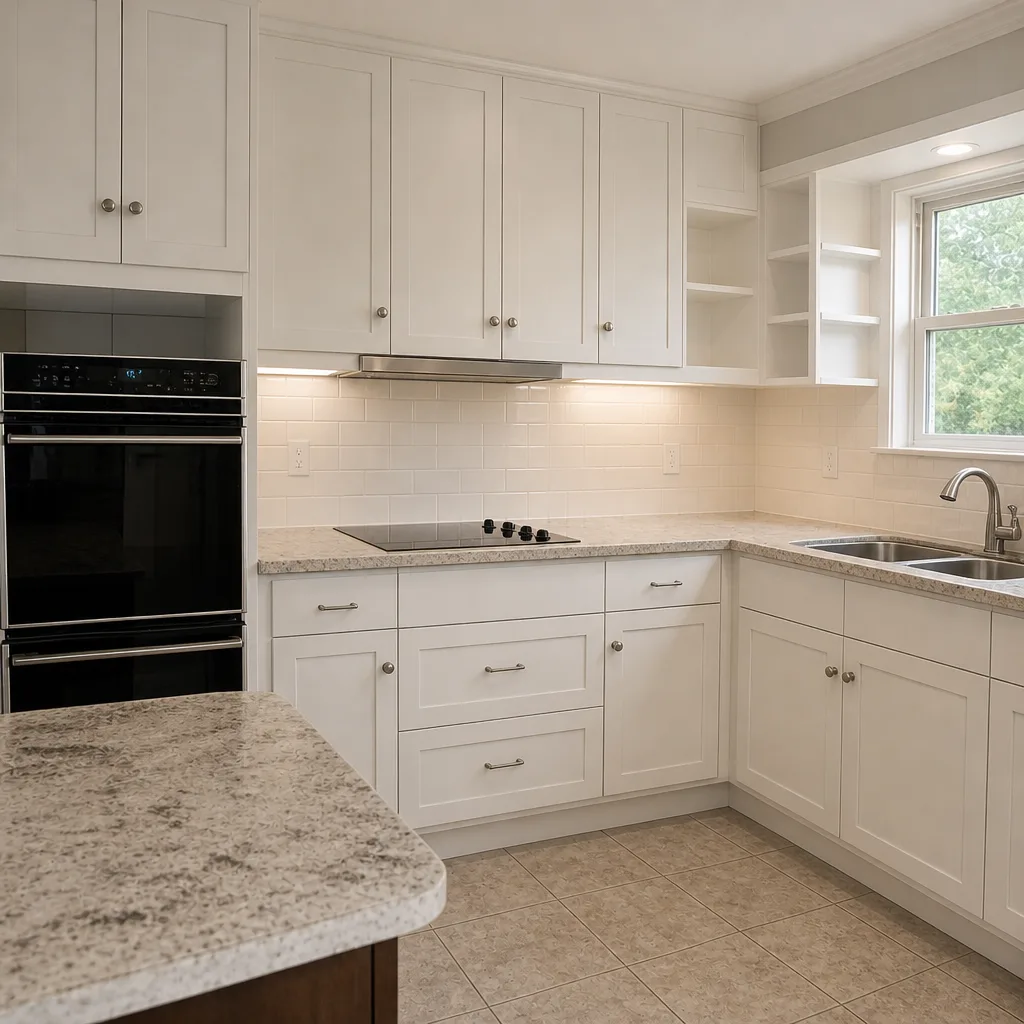
See the difference
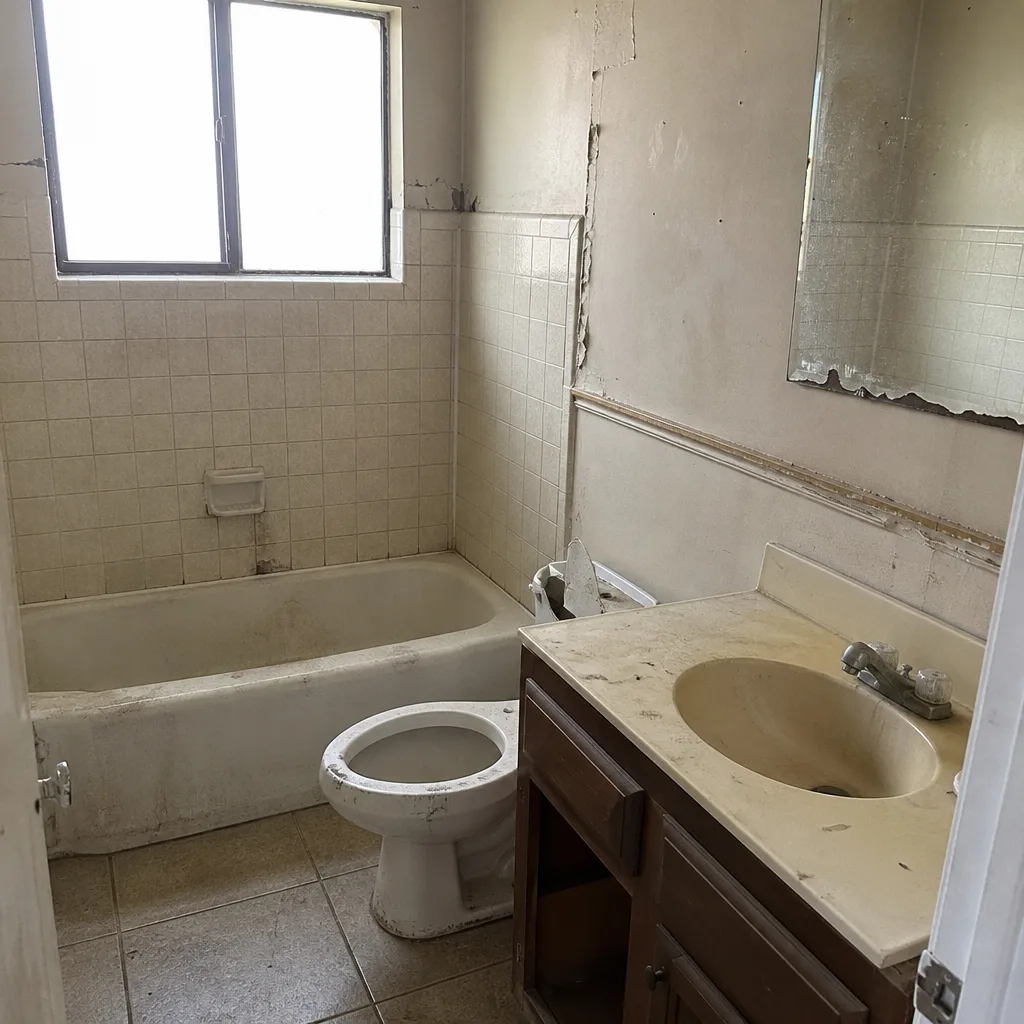 Before
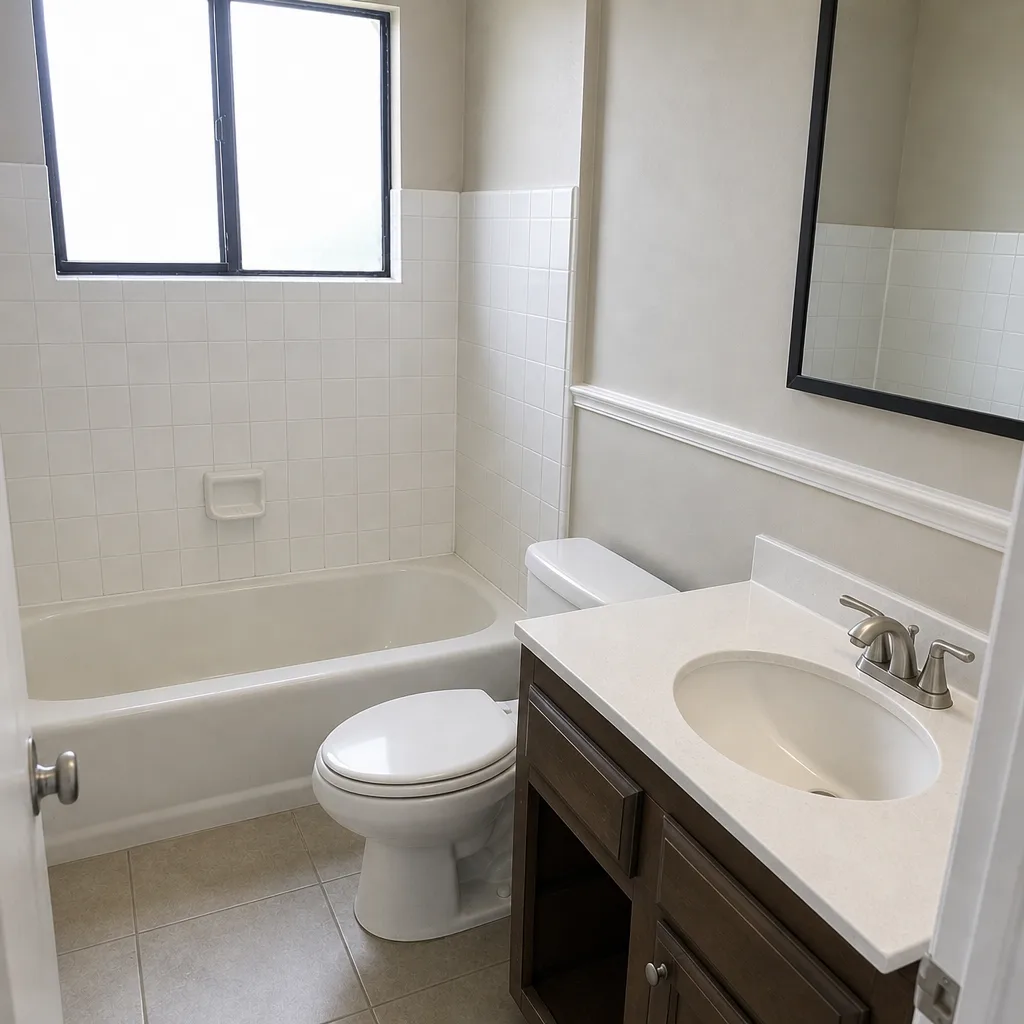 After
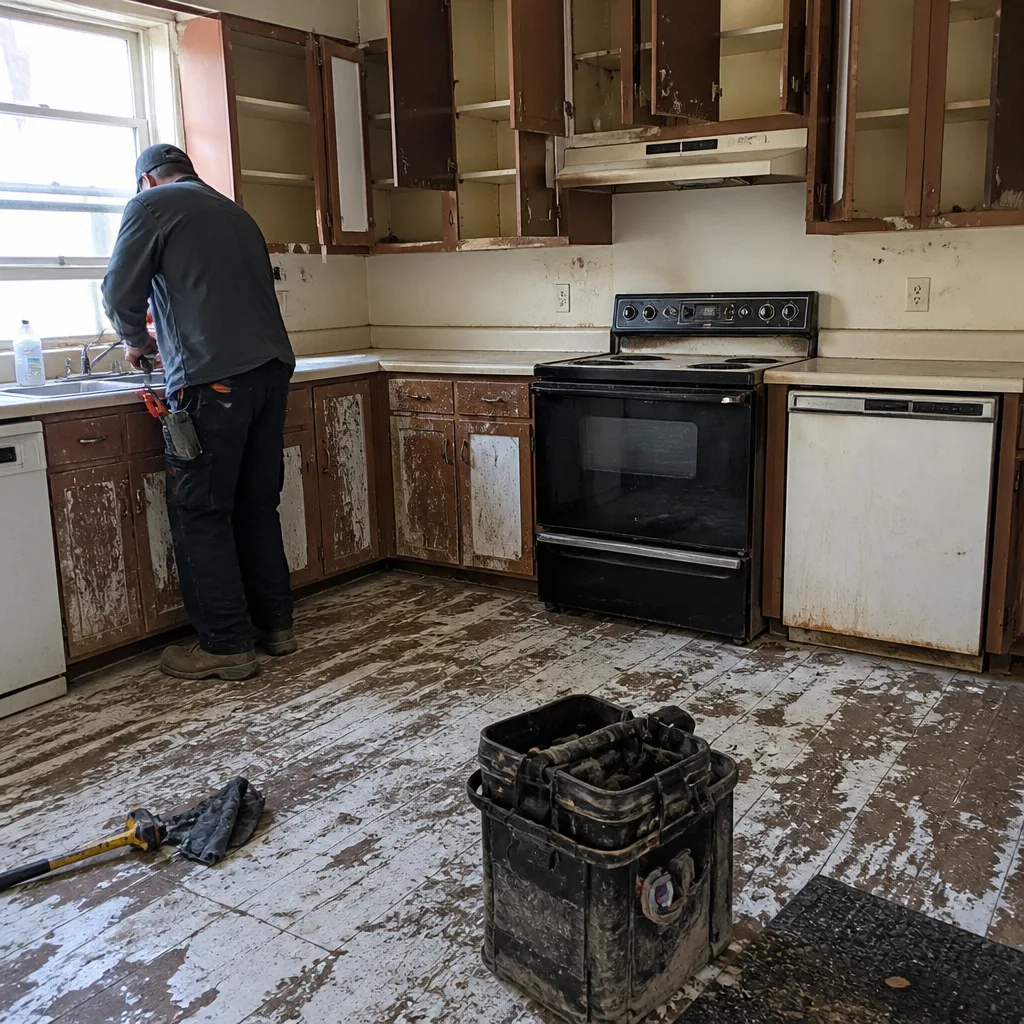 Before
 After
 Before
 After
When to Call a Professional
Some projects are worth the effort of managing yourself, but most aren’t. If your project involves structural changes, electrical or plumbing relocation, roof replacement, or a permit checklist with more than two items, hire a professional. If your project involves matching materials across multiple rooms or coordinating a phased plan across the interior and exterior of the home, a single-source contractor is worth the call. If you’ve received bids you can’t compare because the scopes don’t line up, that’s exactly when a professional walk-through helps. And if you’re considering an ADU or addition, the permitting and sequencing complexity is high enough that self-managing is rarely worth the risk. home additions & ADU projects involve design, permitting, structural work, and finish trades, and coordinating them independently means coordinating five or six separate contracts instead of one.
We provide free estimates in Carrollton and the surrounding area. Call (888) 584-9525 to schedule your walk-through. We answer 24/7. Fast dispatch from 7am to 7pm, Sunday through Friday.
Frequently Asked Questions

Construction pricing in Carrollton varies widely by scope and material selection, so the right answer is that your written estimate sets the final price. A material-level comparison matters more than a bid comparison: KraftMaid cabinetry versus a builder-grade cabinet changes the number, and Cambria or Silestone counters versus a commodity slab changes it again. Call (888) 584-9525 for an exact quote. Estimates are free.
Fence height and setback requirements depend on your lot and, often, on any HOA rules that apply, and driveway work can require a permit when the grade or drainage changes. Ask the contractor to confirm the specific permit requirements for your address before you sign. We pull permits and pass inspections on the scopes we handle.
You want a certificate of insurance showing general liability coverage, and you want to be listed as certificate holder. If the contractor is exempt from workers’ compensation under Texas rules, ask how injury liability is handled in writing. Both answers should come back the same day you ask.
Ask for three inspection records from recent Carrollton projects and cross-check them against the city’s permit search. A contractor who has worked in Carrollton recently can usually produce these records same day. A contractor who can’t produce them either hasn’t pulled Carrollton permits recently or is unwilling to show you the record. Both are reasons to keep interviewing.
The written estimate sets the final price for the scope described, and changes only happen through a signed change order for approved additions to the scope. That’s why the scope of work clause in the contract is the most important one to read carefully. Call (888) 584-9525 for an exact quote. Estimates are free, and every estimate is a written line-item quote.
Yes. Coordinating interior and exterior work through one contractor is worth doing because it eliminates the scheduling conflicts between separate trades and separate permit processes. Our seven service lines cover driveway & pavers, fence installation, additions and ADUs, bathroom remodels, windows and doors, roofing, and kitchens, so a phased plan can be sequenced under one contract instead of five.
The Bottom Line
The contractor you hire for a Carrollton project should be selected on documentation, not conversation. Get the permit record, get the insurance certificate, get the contract before the bid, and read the five clauses that determine who pays when something goes wrong. Price matters, but price without scope is meaningless, and the lowest bid is the one most likely to grow through change orders. Our technicians have up to 14 years of experience across the trades, and we source materials from a portfolio of industry-leading brands spanning every service category, so the material decisions you make at the walk-through are the ones that get installed. Call (888) 584-9525 to start the conversation. We answer 24/7. Fast dispatch from 7am to 7pm, Sunday through Friday.
Written by the team at Construction Carrollton.